


For a machine shop, the best choice depends on the part’s load, temperature, fit, wear, and batch size: polymer SLS is a strong candidate for complex jigs, fixtures, and low-volume end-use parts, while machining remains important for metal parts and demanding tolerance or service requirements. The Raise3D RMS220 is one SLS option to evaluate—not a universal replacement for machining—with a 220 × 220 × 450 mm build volume and a workflow that includes powder handling and post-processing.[1]
When does SLS make sense for a machine shop?
SLS uses a laser to fuse polymer powder into a part. Because the surrounding powder supports the part during printing, SLS can make complex geometries without dedicated support structures; the process can also be useful when multiple parts or design variants can be nested in a build.[2]
That makes industrial polymer SLS worth evaluating for:
- Jigs and fixtures: locating nests, assembly aids, covers, protective fixtures, and other custom tools—provided the part can meet the shop’s requirements for stiffness, wear, temperature, and dimensional stability.
- Low-volume end-use parts: polymer components such as housings, ducts, brackets, and custom assemblies where the selected material and finished part pass application-specific tests.
- Contract manufacturing: repeat or customized jobs where batch nesting, design changes, and in-house production may matter as much as the printer’s nominal build speed.
A process label is not a performance guarantee. A polymer fixture exposed to hot chips, cutting fluid, repeated clamping, impact, or high loads needs evaluation in those conditions. Use the exact part geometry, material, printer settings, finishing steps, and inspection criteria that the shop intends to use in production.
When should a shop keep machining?
SLS should not be treated as a general substitute for CNC machining. Keep machining in the comparison when a part requires metal, a specific surface finish or tolerance, high wear resistance, sustained loading, or a service environment that a validated polymer process cannot meet.
The decision should compare the accepted finished part, not just printer cycle time or raw material cost. Include programming and setup, supplier lead time, print preparation, build and cooling, powder recovery, depowdering, finishing, inspection, scrap, and rework.
| Requirement | Consider polymer SLS when… | Keep machining or another process in the comparison when… |
|---|---|---|
| Geometry | Complex shapes or integrated features are costly or difficult to machine. | The design is straightforward to machine, or a critical feature needs a specific machined finish. |
| Load and environment | A chosen polymer has been validated under the actual load, temperature, fluids, and service duration. | High loads, heat, wear, chemicals, or long service life have not been qualified for the printed part. |
| Quantity | Nested batches or frequent variants make a powder-bed workflow practical. | The required quantity and cycle economics favor an established machining route. |
| Fit and accuracy | Representative printed parts pass dimensional inspection and assembly checks. | Critical tolerances or interfaces cannot be achieved consistently after printing and finishing. |
What does the SuperATV case show?
SuperATV’s public case study describes using RMS220 with PA12 for functional prototypes and engineering components, including tooling, fixtures, and low-volume production parts. It reports typical builds of about 12 hours with up to 16 functional parts in a build, and cites a 30-day lead-time reduction and more than $40,000 in savings within two months of installation. The page describes the savings as prototyping-cost savings in the case text and as net savings in its headline; these are SuperATV-specific, case-reported results, not a forecast for another shop.[3]

Figure 1 SuperATV team with Raise3D SLS printer RMS220 [3]
The case reports reduced reliance on conventional machining and external manufacturing, but it does not provide a part-by-part map of which specific photographed component replaced a machined part. Use the published results as evidence of one company’s workflow—not as a claim that SLS replaces machining in general.

Figure 2 Close-up views of components and assembly details shown in the public SuperATV case study[1]
What do other customer examples show about validation and process substitution?
Kinboshi’s public case describes adding RMS220 SLS to an existing FFF workflow rather than replacing FFF wholesale. It reports practical testing before adoption, including a 3 mm-thick pipe part that withstood a 1 MPa hydrostatic test without leakage. That result is specific to the tested part and conditions; it is not a general pressure rating for SLS parts.[2]
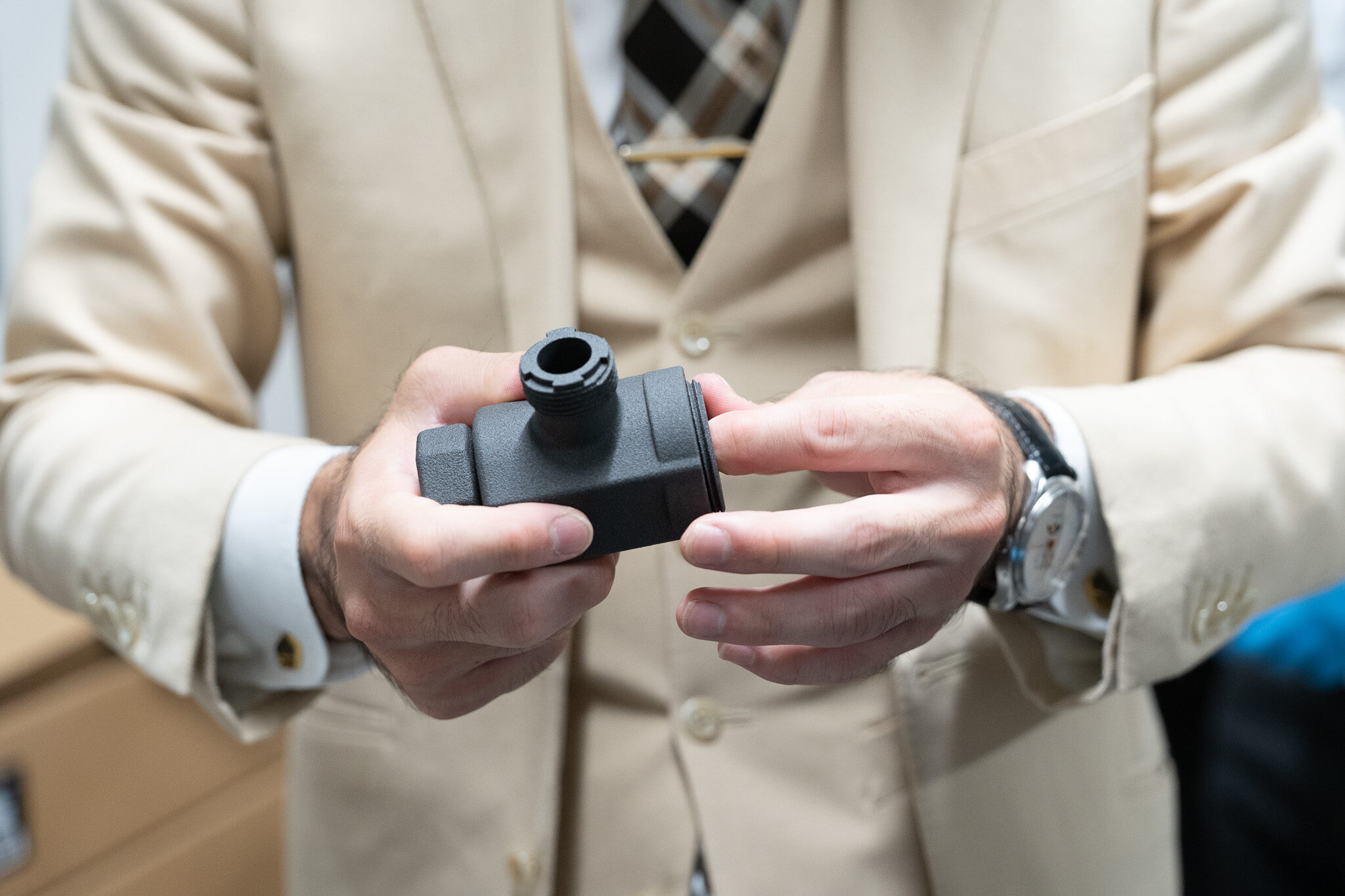
Figure 3 Kinboshi’s RMS220 printed models.
LutraCAD provides a separate example of a documented process substitution: its custom-insole workflow moved from milling to SLS. The case reports batches of 20–25 pairs per build and notes that milling can turn 80–90% of a material block into waste. This is an example from custom-insole production, not evidence of equivalent savings for machine-shop fixtures.[4]
Figure 4 LutraCAD’s RMS220 printed models.
These examples point to a practical rule: use customer cases to identify a process worth testing, then qualify the shop’s own part and workflow.
How should a shop qualify an SLS fixture or end-use part?
- Write the service requirements. Record loads, clamping forces, impact, cycles, temperatures, exposure to oil or coolant, wear surfaces, critical dimensions, and expected life.
- Choose the exact material and process. Treat material data as a screening aid, not as a guarantee of part life. Record the material, printer, build orientation, settings, and finishing route.
- Print representative parts. Include the geometry and features most likely to fail or affect fit: holes, thin walls, locating surfaces, snap features, and interfaces.
- Test the finished part. Measure critical dimensions and evaluate fit, function, wear, and environmental exposure against written acceptance criteria.
- Pilot the full workflow. Compare cost and lead time per accepted part, including labor, cooling, depowdering, finishing, inspection, and rework.
- Control the released process. Revalidate if a change to material, settings, geometry, or finishing could affect the result.
Where does the RMS220 fit?
RMS220 is an industrial SLS system with a listed build volume of 220 × 220 × 450 mm (17 L). Its product page also lists a 75 W, 1064 nm fiber laser and a printing-speed figure of 2.2 L/h at 20% packing density by weight; that speed is a specified condition, not a guaranteed output of accepted parts for every job.[1]
For a machine shop, evaluate the full production route—not only the printer: part nesting, build-unit and cooling workflow, powder recovery, depowdering, finishing, inspection, and the space and labor needed to operate the system. Compare the complete route with the shop’s current supplier or machining process.

Figure 5 An operator handles a removable build unit beside SLS equipment in the SuperATV case study. Photo source: Raise3D’s public SuperATV case page[1]
What is the practical selection rule?
Start with polymer SLS when a shop needs complex geometry, a functional polymer part, or nested low-volume production—and when representative printed parts can be validated against real service requirements. Keep machining in the process plan when metal, tolerance, wear, loading, or environment requires it. For many manufacturers, the right outcome may be a qualified SLS process for selected parts, not an all-or-nothing change to the shop.
Explore the Raise3D RMS220 SLS printer and compare the complete workflow against your part requirements.
FAQ
Is SLS better than FFF for machine-shop fixtures?
Not for every fixture. SLS is worth testing for complex geometry and nested batches; FFF can remain useful for other parts or stages. Kinboshi’s public case describes using both processes in one workflow.[2]
Can an SLS printer replace CNC machining?
Not universally. Polymer SLS and machining serve different material, tolerance, wear, and production requirements. Validate each candidate part rather than making a process-wide substitution.
Can a printed fixture handle heat or repeated loads?
It depends on the material, geometry, settings, finishing, and use conditions. Test a representative finished part under the expected loads and environment before release.
How should a contract manufacturer compare SLS costs?
Use cost per accepted finished part. Include the complete workflow—labor, machine time, cooling, powder recovery, finishing, inspection, scrap, and rework—using the same batch and acceptance assumptions for each process.
Do SuperATV’s savings predict what another shop will save?
No. The public case reports SuperATV’s results for its own workflow. A different shop should run its own pilot and cost model.[3]


