
A Practical Technology Selection Framework
Before choosing between FDM and SLS, manufacturers should evaluate the application from several angles:
- Development stage: Is the part still in early design iteration, or is it moving toward functional testing or production?
- Part complexity: Does the design require support-free geometry, internal features, or complex shapes?
- Mechanical requirements: Does the part need to handle load, pressure, long-term use, or lower anisotropy risk?
- Material needs: Does the team need filament-based engineering materials, or powder-based materials such as PA12, PA11, or TPU?
- Batch size: Is the goal a single prototype, a small trial batch, or medium-batch production?
- Workflow cost: How much labor is required for support removal, post-processing, monitoring, and repeat production?
- Existing equipment: Can the new process integrate with the team’s current printers, software, and production habits?
Using this framework, FFF and SLS should not be treated as mutually exclusive. FFF can remain valuable for rapid development and low-cost iteration, while SLS can support applications where geometry, strength, consistency, and batch efficiency become more important.
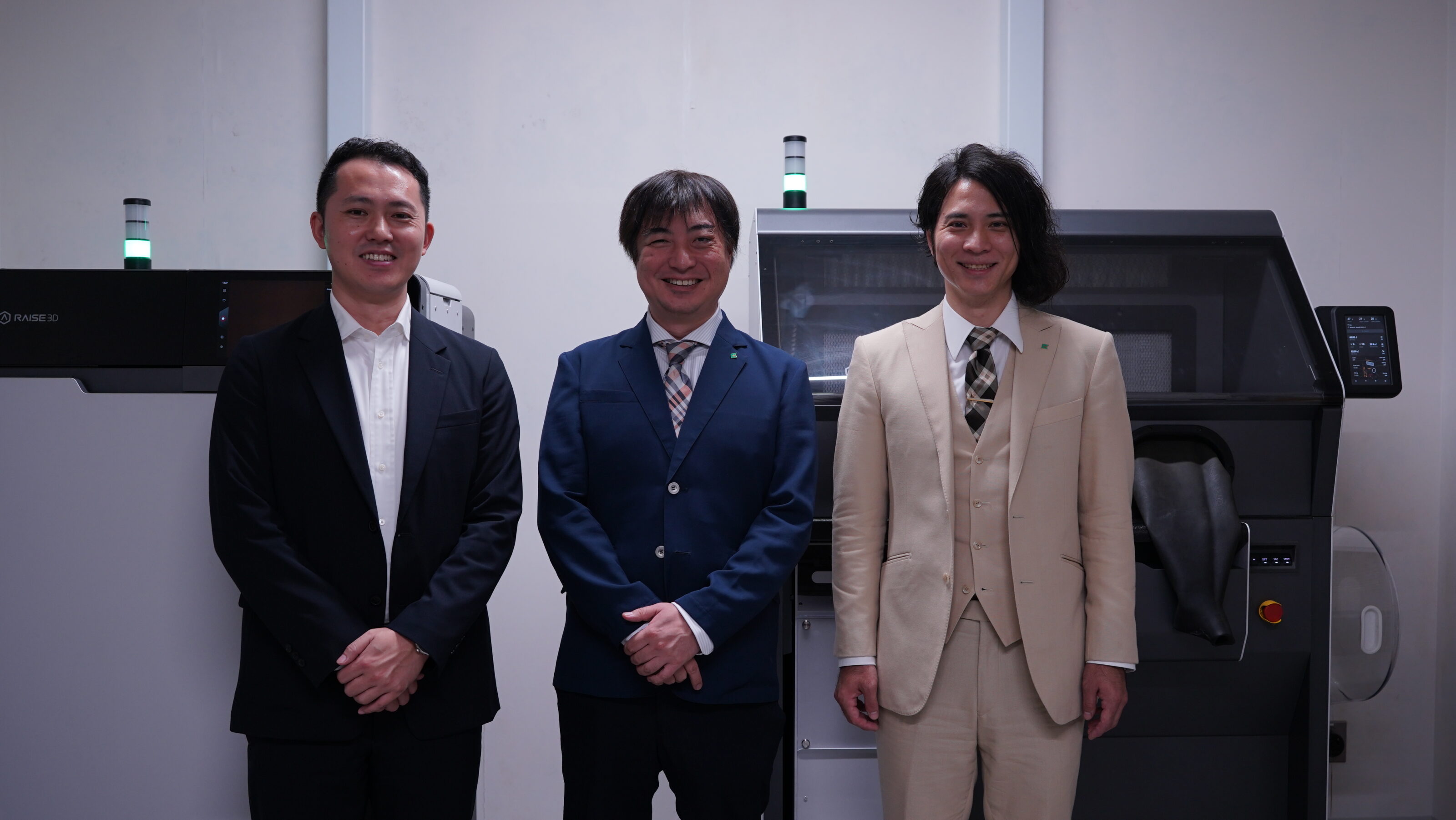
Kinboshi Team
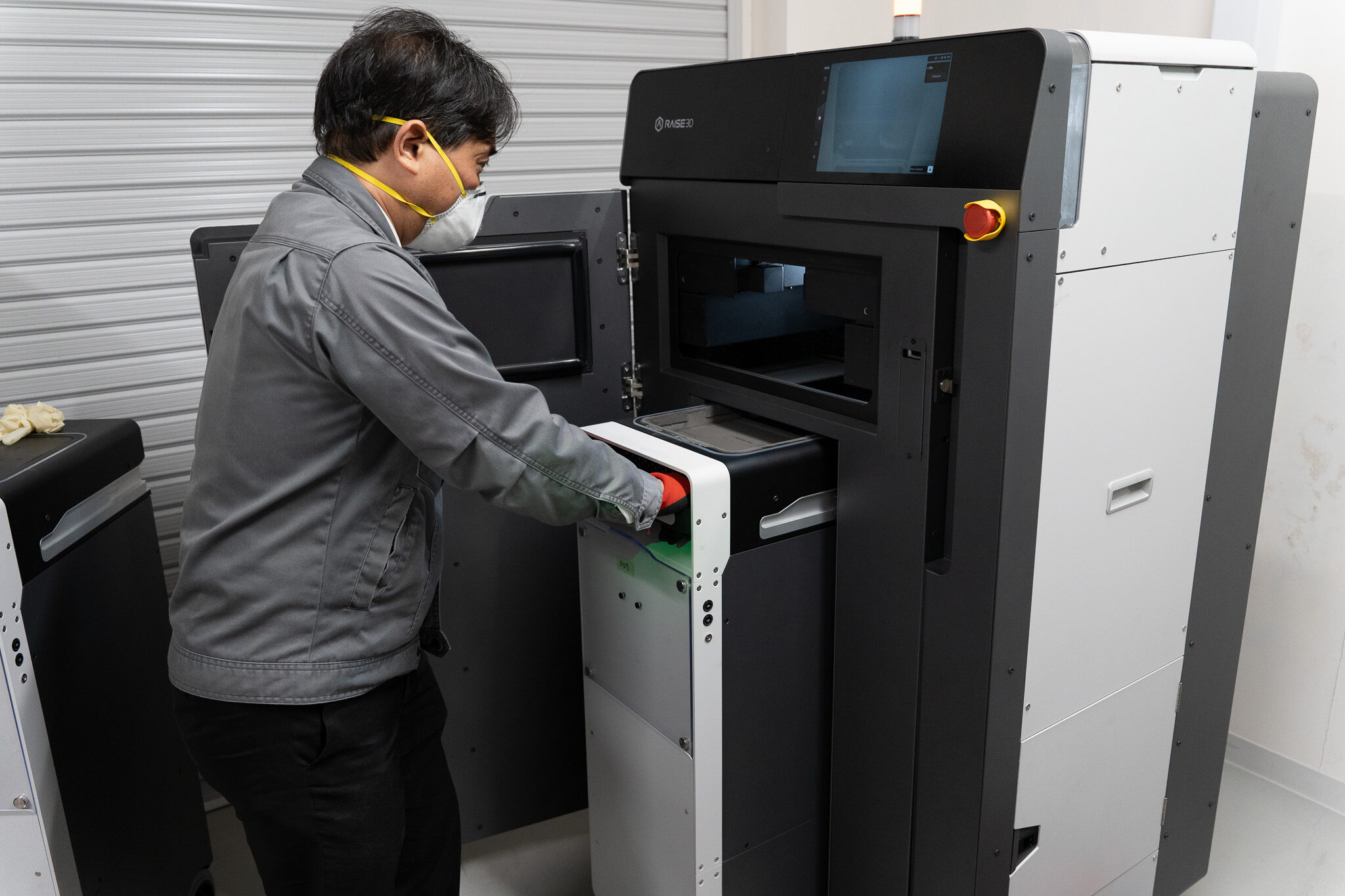
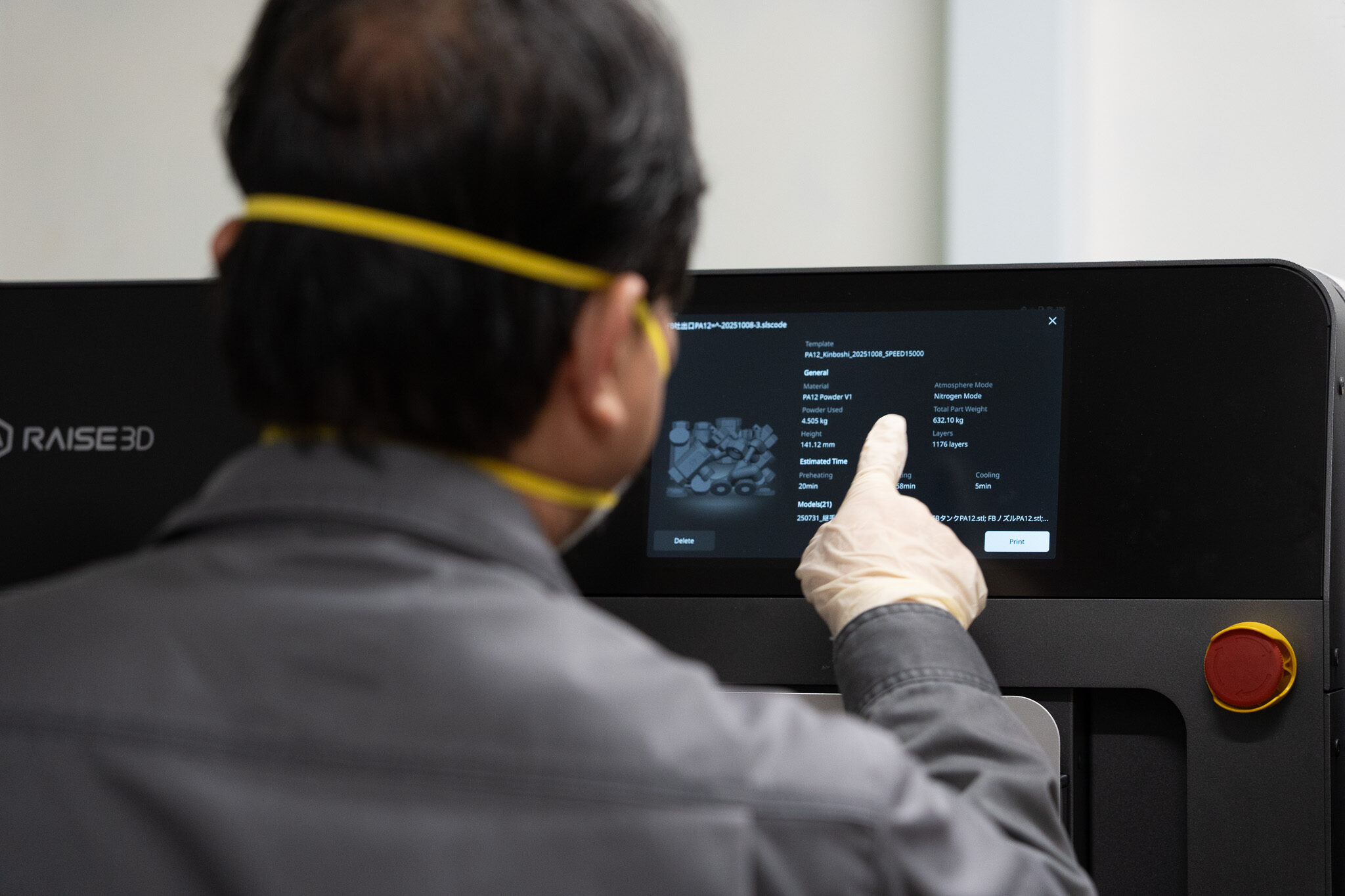

 Kinboshi Team