FDM vs SLS: How Kinboshi Uses Raise3D Pro2 and RMS220 in One Additive Manufacturing Workflow

Nov. 17, 2025

17 L

Build Volume

75 W

Laser

3.5-5 Kg / day

Maximum Output

About Kinboshi


株式会社金星 (hereinafter referred to as Kinboshi), is a Japanese manufacturing company established in August 1948. Kinboshi specializes in planning and sales of clothing, equipment, devices, and materials related to security and safety, as well as creating and providing healthy spaces through products for hospitals and elderly care facilities, and industrial equipment and facilities aimed at energy and resource conservation.

Currently, the company has approximately 190 employees and a registered capital of 10 million yen. The President and CEO of Kinboshi is Mr. 石井 一史(Kazufumi Ishii).

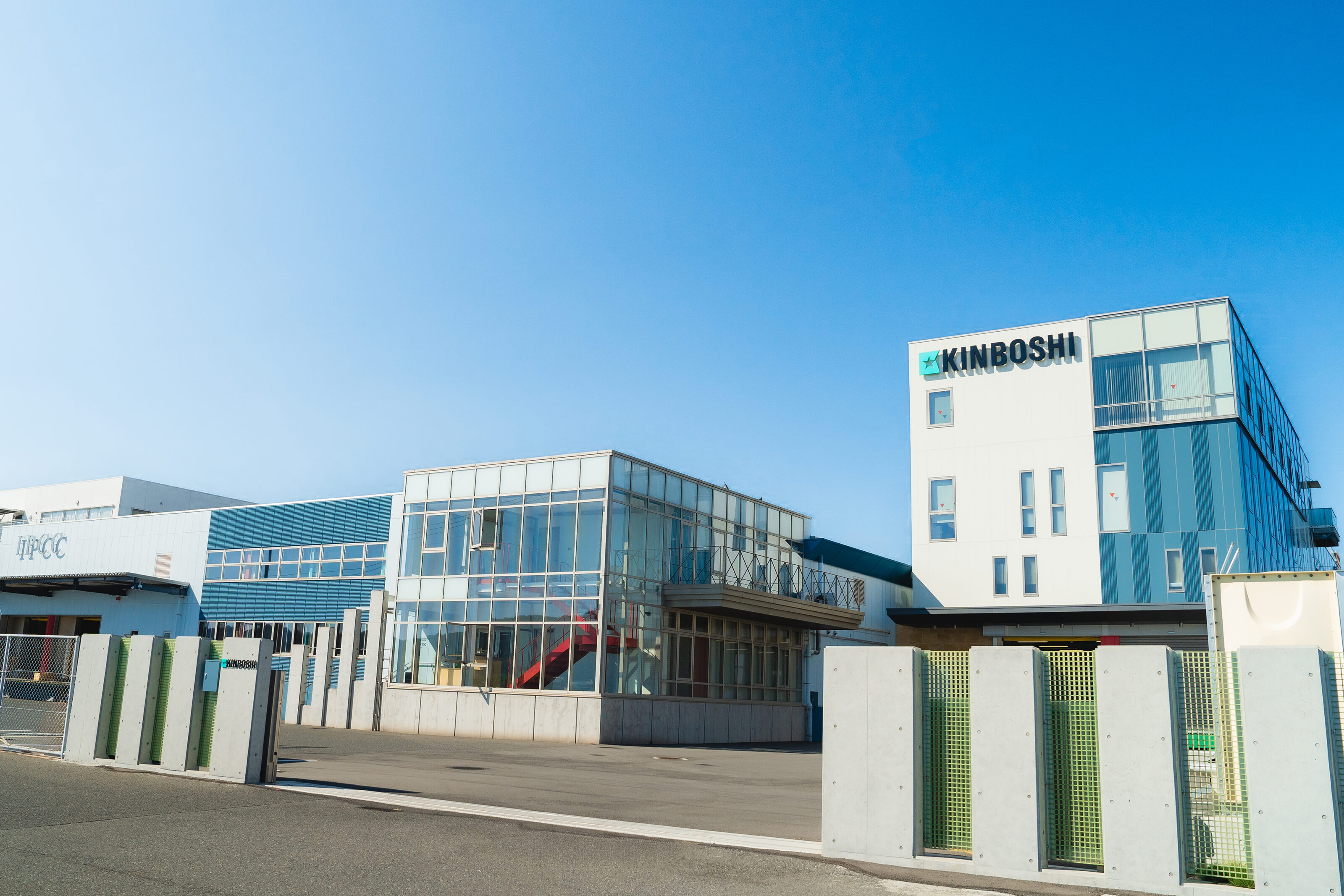
Kinboshi Inc. Japanese manufacturing company headquarters and logo

Kinboshi Inc.

For manufacturers comparing FDM vs SLS, the decision should not be framed as a simple competition between two technologies. A better approach is to ask: which process fits the part, the production stage, the required performance, and the business goal?

Kinboshi’s experience shows this clearly. The company did not move from FFF to SLS because FFF was no longer useful. Instead, Kinboshi expanded its additive manufacturing workflow by keeping Raise3D FFF/FDM printers for fast, flexible development while adding the Raise3D RMS220 SLS printer for more demanding functional and medium-batch production needs.

This is an important distinction. Many SLS-focused or FDM-focus comparisons naturally emphasize the advantages of SLS, especially when the provider does not offer the other systems. Kinboshi’s case gives a more balanced view: FFF and SLS can be complementary technologies inside the same manufacturing workflow.


190+

Japan

Manufacturing

Tooling

A Practical Technology Selection Framework

Before choosing between FDM and SLS, manufacturers should evaluate the application from several angles:

  • Development stage: Is the part still in early design iteration, or is it moving toward functional testing or production?
  • Part complexity: Does the design require support-free geometry, internal features, or complex shapes?
  • Mechanical requirements: Does the part need to handle load, pressure, long-term use, or lower anisotropy risk?
  • Material needs: Does the team need filament-based engineering materials, or powder-based materials such as PA12, PA11, or TPU?
  • Batch size: Is the goal a single prototype, a small trial batch, or medium-batch production?
  • Workflow cost: How much labor is required for support removal, post-processing, monitoring, and repeat production?
  • Existing equipment: Can the new process integrate with the team’s current printers, software, and production habits?

Using this framework, FFF and SLS should not be treated as mutually exclusive. FFF can remain valuable for rapid development and low-cost iteration, while SLS can support applications where geometry, strength, consistency, and batch efficiency become more important.
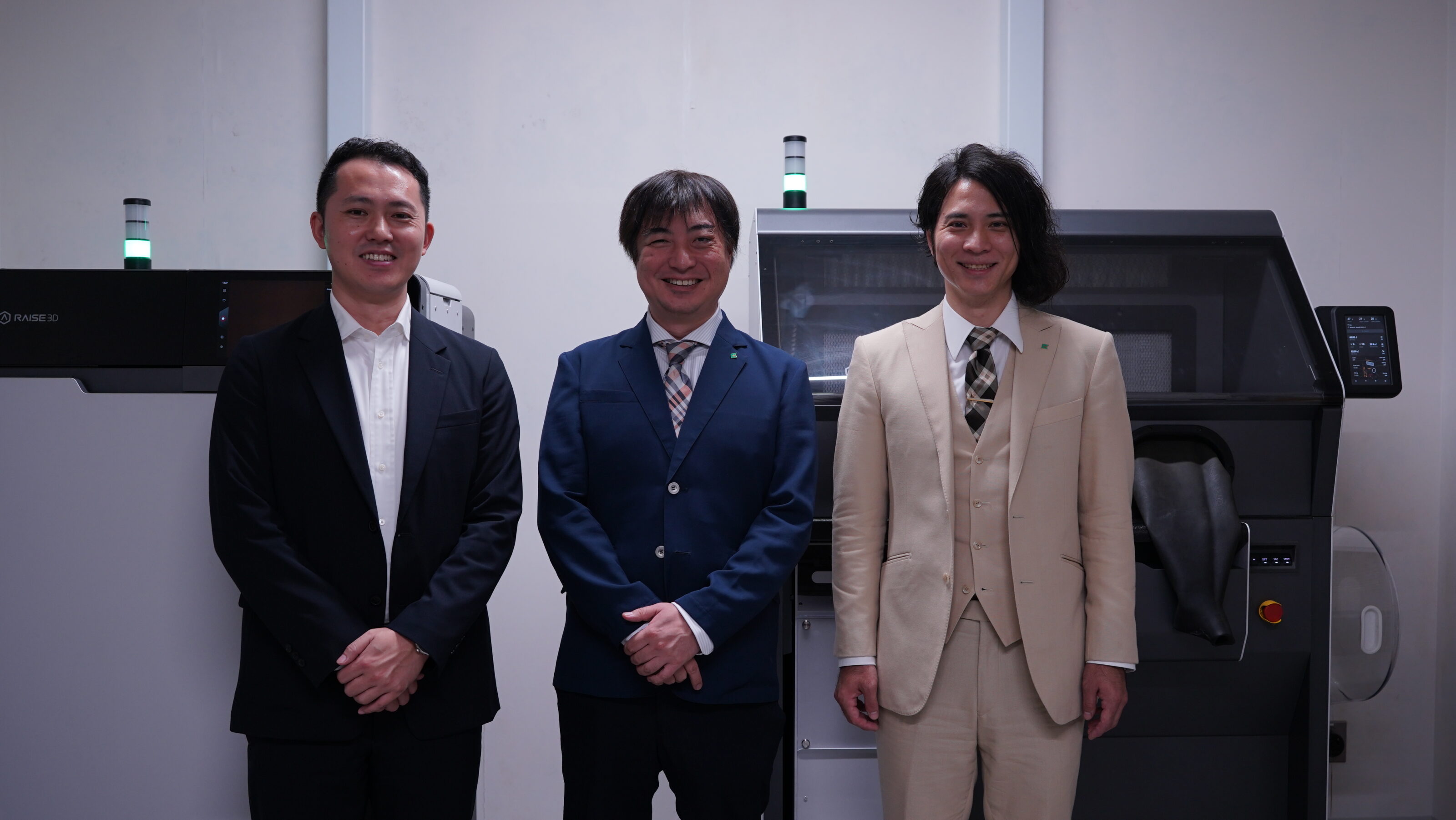
Kinboshi engineering team working with Raise3D 3D printers in Japan

Kinboshi Team

Kinboshi’s FFF/FDM Workflow Before RMS220

Kinboshi introduced multiple Raise3D Pro Series FFF/FDM printers as early as 2021. With relatively low investment, material flexibility, and stable long-term operation, quickly became a core tool for prototype verification and product development.

In Kinboshi’s workflow, FFF/FDM helped support:

  • Rapid prototyping and product iteration
  • Small-batch trial production
  • Engineering material testing with ABS, PETG, and carbon fiber reinforced filaments
  • Reduced R&D time and cost
  • Three R&D-production sites in Japan
  • Same-day production and delivery for parts ordering

This stage demonstrated why FFF/FDM remains valuable in industrial product development. It gives engineering teams a practical way to test ideas quickly, adjust designs, and produce simple or early-stage parts without a high process barrier.

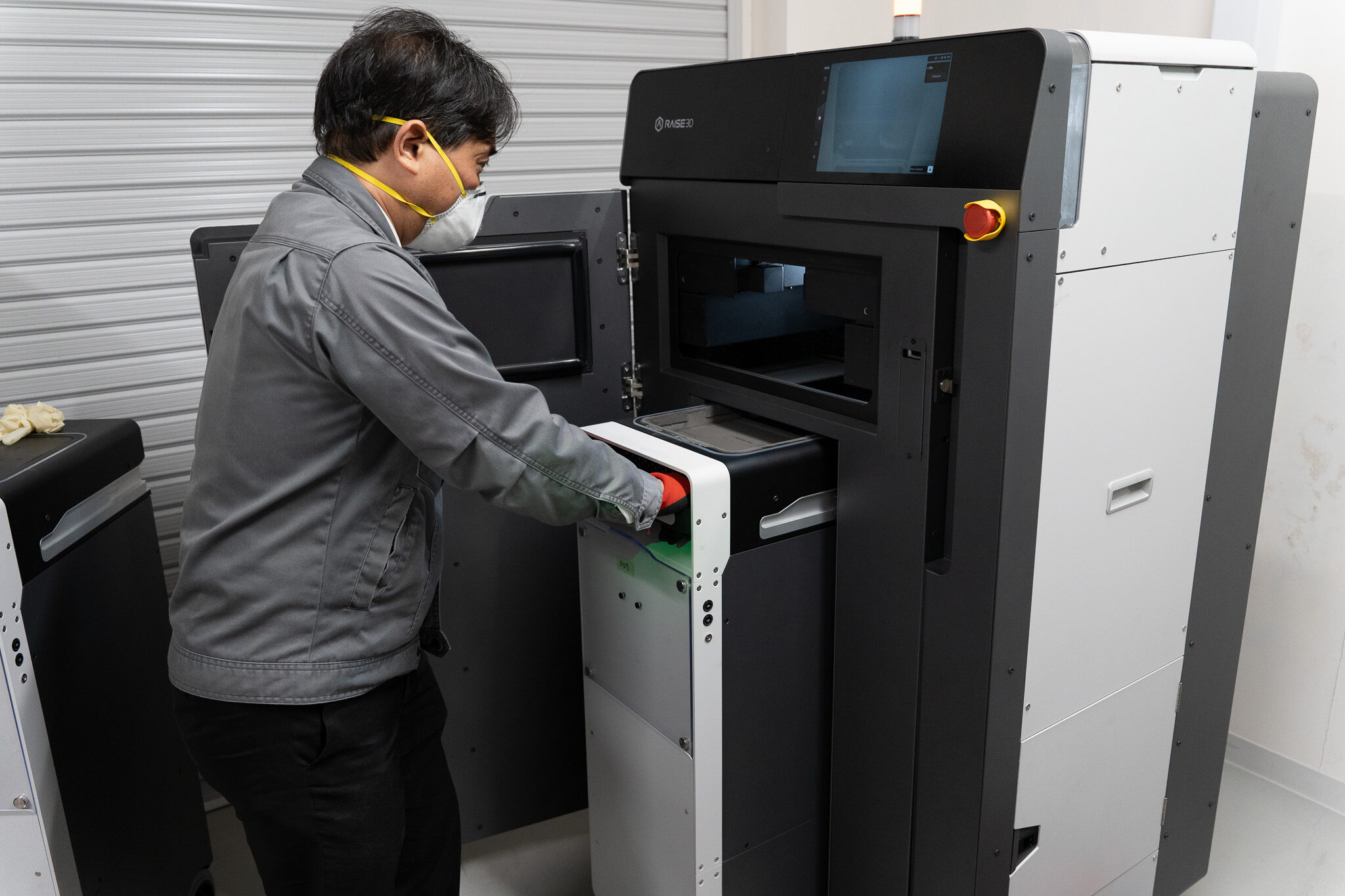
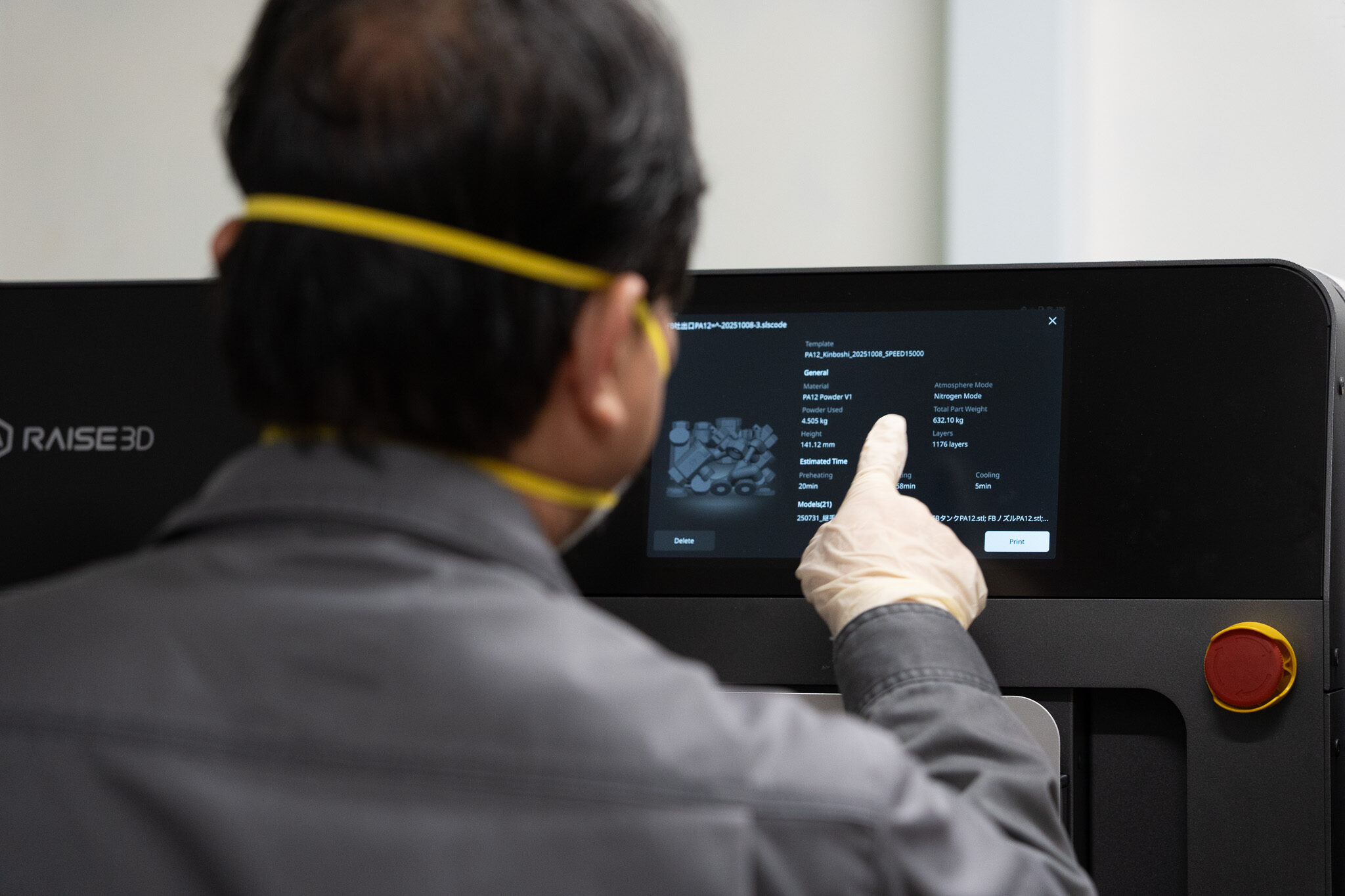
Raise3D RMS220 SLS 3D printer installed at Kinboshi production site

RMS220 Installation site

When FFF/FDM Reaches Its Limits

As Kinboshi’s use of additive manufacturing grew, some limitations of FFF became more important.

For certain functional parts, the team needed to address issues such as Z-axis interlayer bonding, support structure removal, limited design freedom, and detail accuracy. These challenges become especially relevant when parts involve pressure, load, long-term use, or more complex geometry.

Kinboshi’s requirement was clear: the company needed printed parts with lower anisotropy while keeping the production workflow cost-effective.

This is where the comparison of SLS vs FDM became practical. FFF continued to be useful for prototyping and small-batch development, but Kinboshi needed SLS to handle parts where support-free geometry, more balanced part properties, and medium-batch production were more important.


Why Kinboshi Selected Raise3D RMS220

The Raise3D RMS220 helped Kinboshi fill the gap between accessible FFF production and more demanding functional part manufacturing.

Using selective laser sintering, RMS220 does not require support structures. This gives engineers more freedom when designing complex geometries and can help reduce the design limits often associated with support-based workflows. For Kinboshi, SLS also offered a path toward lower anisotropy risk and more practical production of functional parts.

Key RMS220 capabilities relevant to Kinboshi’s workflow include:

  • 220 × 220 × 350 mm build volume
  • 17 L build capacity
  • Cost-effective continuous production with a maximum daily output of 3.5 kg using standard PA12 material
  • Material compatibility with PA12, PA11, TPU, and other powders
  • 220°C maximum chamber temperature
  • Stable 75W laser for precise control of print details
  • Reduced tilting, warping, and deformation during the printing process

These capabilities made RMS220 suitable for Kinboshi’s goal: expanding from FFF-based development into SLS-supported functional and medium-batch production.

Raise3D RMS220 selective laser sintering printer in Kinboshi's additive manufacturing facility

RMS220 Installation site


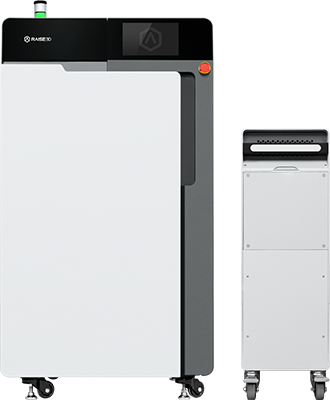
Hook Image - RMS220

RMS220

Rapid Manufacturing Simplified

Practical Testing Before Adoption

Kinboshi did not adopt RMS220 based only on the general advantages of SLS. The team evaluated the machine through practical performance testing.

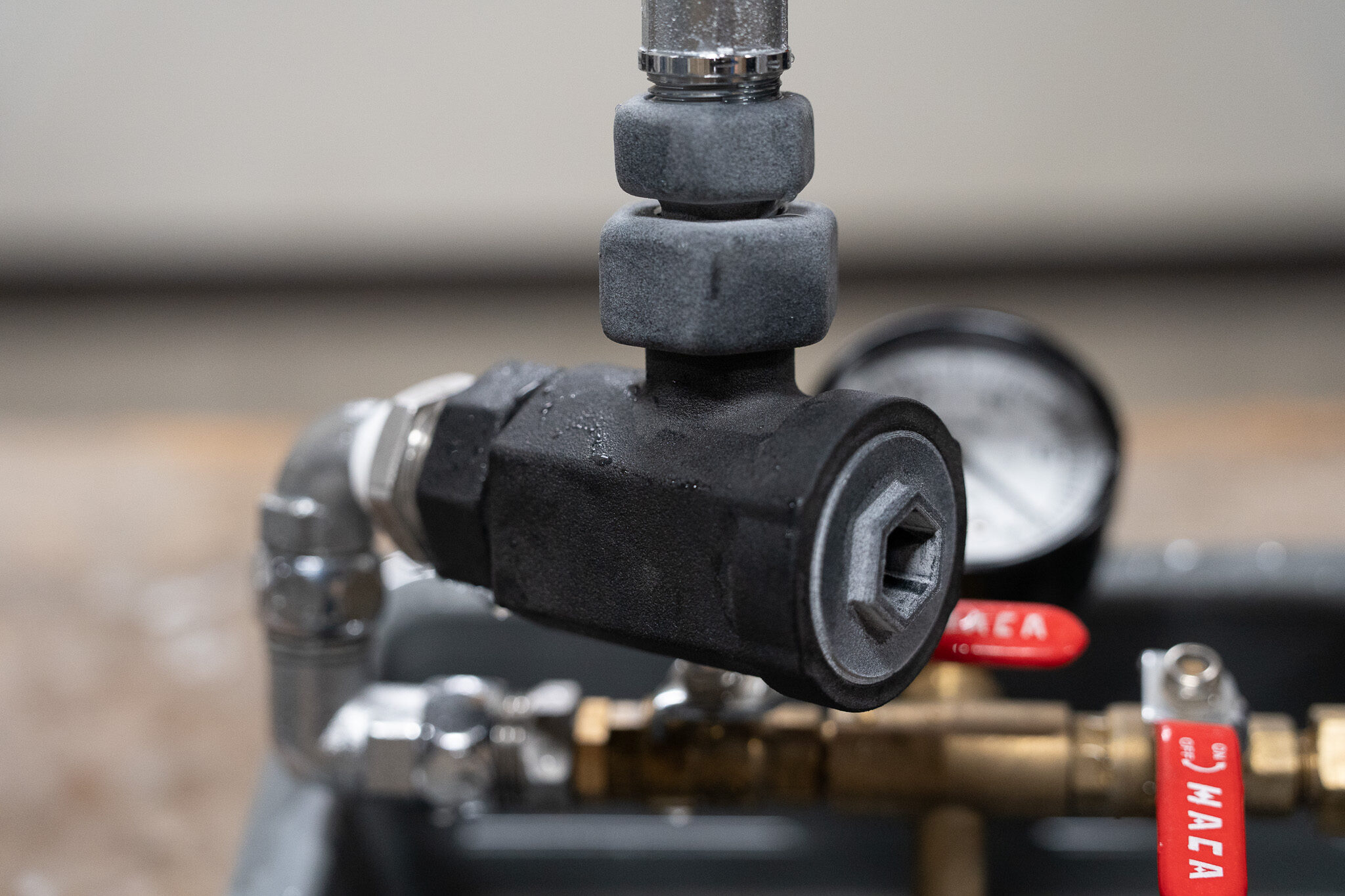
Before purchasing the RMS220, Kinboshi printed a large part that was prone to warping to evaluate dimensional accuracy and deformation control. The team also conducted functional tests, including drop and hydrostatic testing.

In one test, the part was dropped from its actual height without breaking. In another, a 3 mm thick pipe part successfully withstood 1 MPa pressure without leakage.

These tests helped Kinboshi confirm that RMS220 could support the functional requirements they were targeting, while also fitting into a cost-effective additive manufacturing workflow.

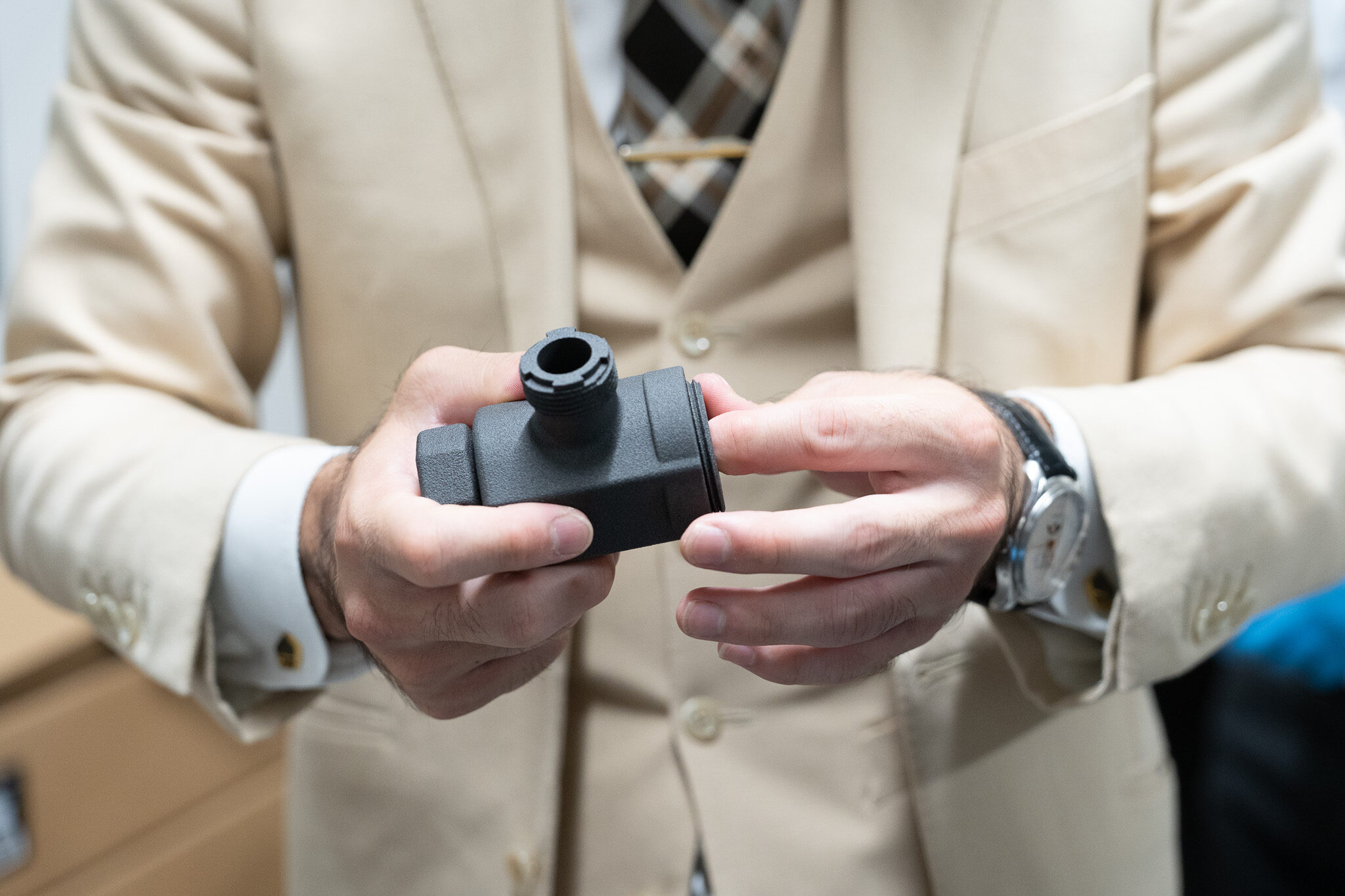
Functional FB tank part 3D printed on Raise3D RMS220 SLS printer using PA12 powder

RMS220 printed model-FB Tank

A Balanced FFF + SLS Decision Path

Kinboshi’s case provides a more balanced way to think about FDM vs SLS.

Choose FFF when the priority is:

  • Fast prototyping
  • Low-cost design iteration
  • Simple or moderately complex parts
  • Early material testing
  • Small-batch trial production
  • Flexible development with familiar filament materials

Choose SLS when the priority is:

  • Complex geometry without support structures
  • Lower anisotropy risk
  • Functional parts involving load, pressure, or long-term use
  • Medium-batch production
  • Powder materials such as PA12, PA11, or TPU
  • Better production efficiency for nested parts

Use both when the workflow requires:

  • FFF for early design and fast iteration
  • SLS for stronger or more complex functional parts
  • A staged path from prototype to production
  • A unified additive manufacturing system across different part types

This framework is especially important because technology comparisons can be biased toward the technologies a company sells. A manufacturer with both FFF and SLS options can evaluate the application more objectively and assign each process to the work it does best.

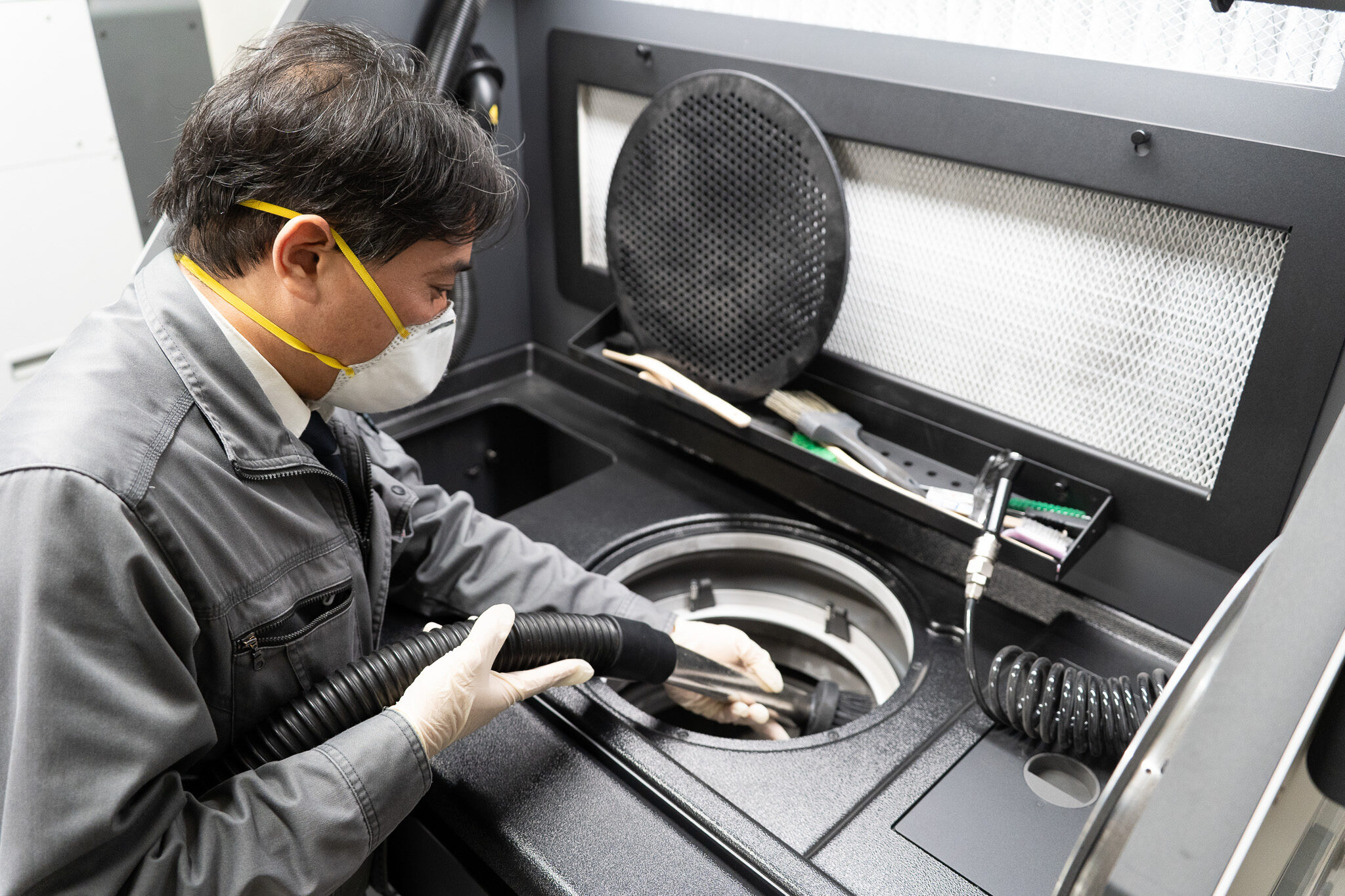
Raise3D C220-P cleaning station removing powder from RMS220 SLS printed parts

C220-P Cleaning Station in use

A Unified Raise3D Workflow: Pro2 + RMS220

For Kinboshi, the success of the upgrade depended not only on equipment performance, but also on workflow continuity.

The company had already built experience with Raise3D systems, so compatibility mattered. Raise3D’s ideaMaker slicing software and RaiseCloud management platform are compatible with RMS220, allowing document management, queue scheduling, and printer status monitoring to remain unified.

This helped Kinboshi integrate RMS220 without rebuilding its entire workflow. Pro Series continues to support prototyping, small-batch pilot production, and low-cost manufacturing with different materials. RMS220 supports medium-scale production where strength, flexibility, design freedom, and support-free geometry are more important.

Instead of treating FFF and SLS as competing processes, Kinboshi uses them as complementary technologies.

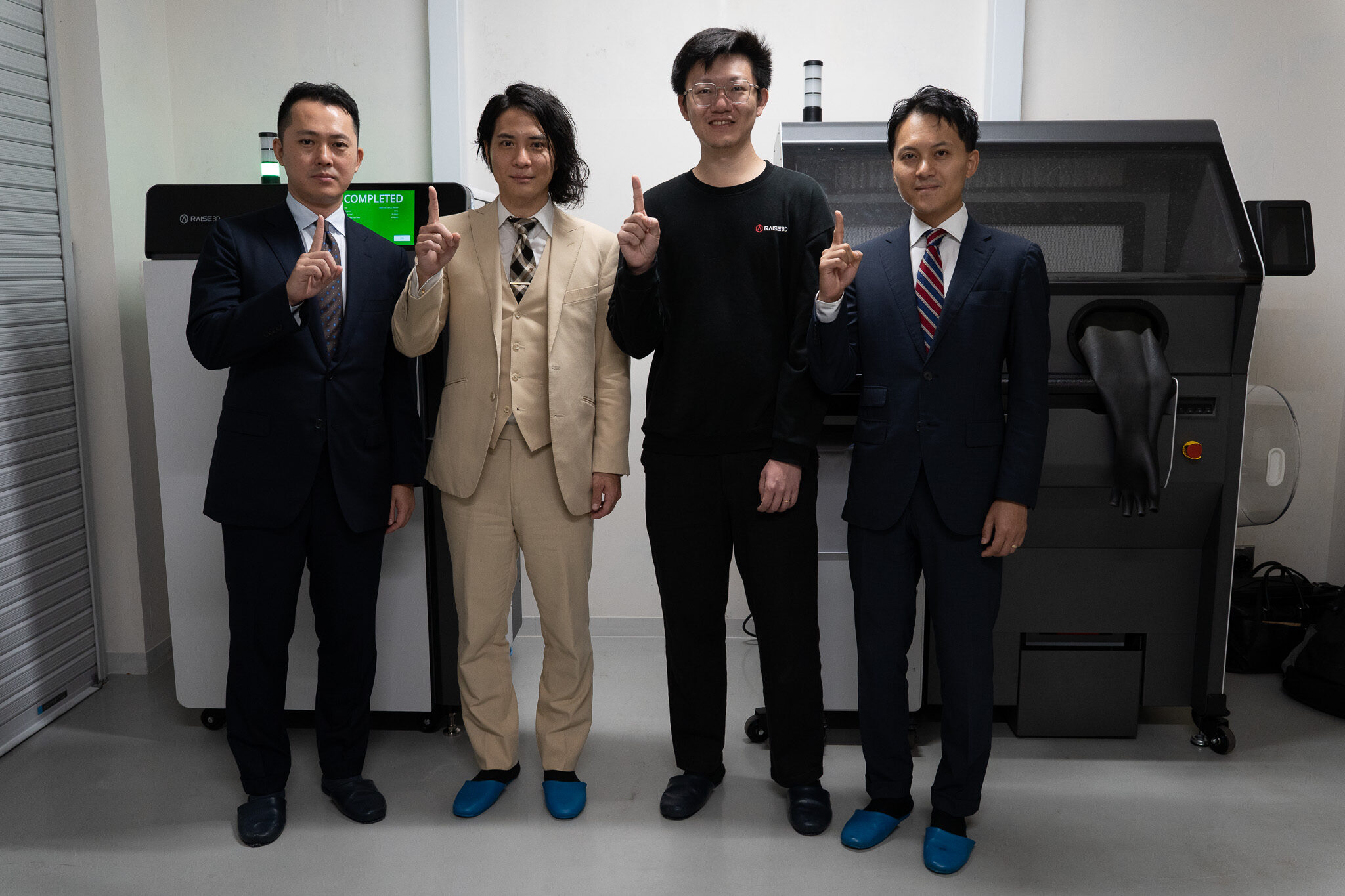
Kinboshi team reviewing SLS and FDM 3D printed parts in a unified Raise3D workflowKinboshi Team

A Replicable Path for Manufacturers

Kinboshi’s move from Raise3D FFF systems to the RMS220 SLS printer provides a clear example for manufacturers evaluating the next step in additive manufacturing.

FFF can remain a valuable tool for fast development, material exploration, and lower-cost production tasks. SLS can then extend the workflow into more demanding applications where geometry, strength, anisotropy, and batch production become more important.

This combined approach may be especially relevant for companies in industrial manufacturing, healthcare, consumer electronics, and other sectors where product development speed and functional part performance both matter.

Pressure-tested FB tank part produced on Raise3D RMS220 SLS 3D printer

RMS220 printed model-FB Tank

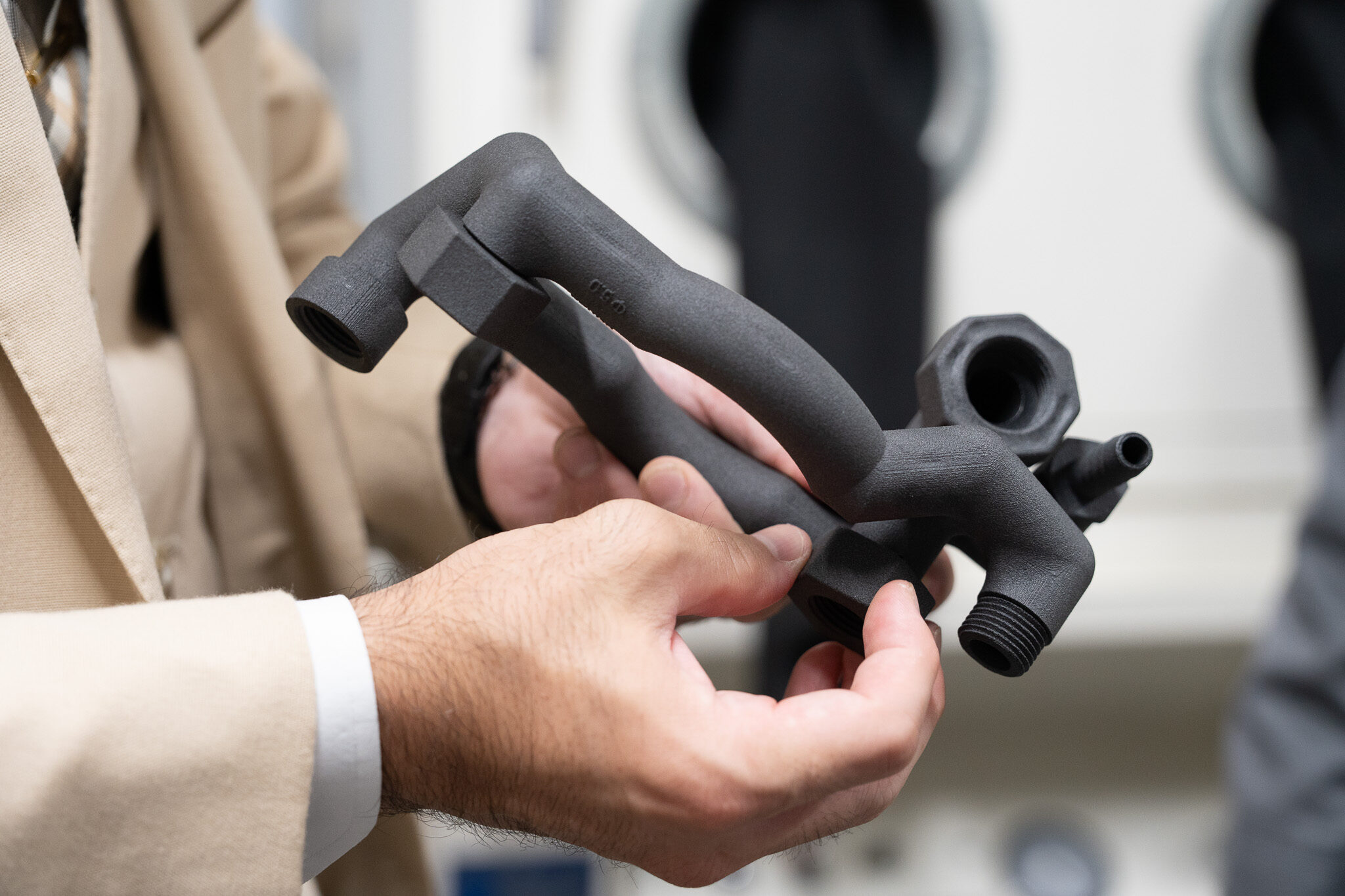
Complex tube joint part 3D printed support-free on Raise3D RMS220 SLS printer

RMS220 printed model-Tube joint

FAQ

What is the main difference between FDM and SLS?

FDM builds parts by extruding thermoplastic filament layer by layer. SLS uses a laser to sinter polymer powder. FDM is often practical for prototyping and simple parts, while SLS can support more complex geometries, functional parts, and production workflows without support structures.

Is SLS always better than FDM?

No. SLS and FDM serve different needs. FDM can be more practical for early-stage development and simpler parts, while SLS may be better for complex, functional, or medium-batch production parts. The best choice depends on geometry, material, performance, cost, and workflow requirements.

Did Kinboshi replace FFF with SLS?

No. Kinboshi added RMS220 SLS to complement its existing Raise3D Pro2 FFF workflow. Pro2 remains useful for prototyping, small-batch pilot production, and low-cost manufacturing, while RMS220 supports more demanding functional and medium-batch production needs.

Why does a technology selection framework matter?

A framework helps teams avoid choosing a technology based only on general advantages or vendor positioning. Instead, teams can evaluate development stage, part complexity, mechanical requirements, material needs, batch size, workflow cost, and existing equipment.

How does Raise3D support a combined FFF + SLS workflow?

Raise3D supports both FFF and SLS workflows through systems such as Pro2 and RMS220, along with software tools like ideaMaker and RaiseCloud. This allows teams to manage prototyping, production planning, queue scheduling, and printer monitoring within a more unified workflow.

Get a Demo

If your team is comparing FDM vs SLS or planning to expand from prototyping into functional production, Raise3D can help you evaluate whether Pro2, RMS220, or a combined FFF + SLS workflow fits your application.

Connect with Raise3D

Do you have a great 3D printing success story and think it would be cool to be featured on our website? We would love to learn more! Write to us at inquiry@raise3d.com

For more information about Raise3D printers and services, browse our website, or schedule a demo with one of our 3D printing experts.

3D Printing Applications