From Prototypes to 3D Printed Jigs and Fixtures: CATL Application Examples
CATL uses 3D printing across development and production, from models for design evaluation to parts used on the production line. The following five applications show how the approach addresses different needs.
Transfer Pallet: Shorter Production Cycles and Reduced Part Weight
Transfer pallets move items along CATL’s production logistics line. Conventionally manufactured pallets had long production cycles and were relatively heavy, affecting delivery and adding to the line’s operating load.
The team used 3D printing to shorten the production cycle and reduce pallet weight. The previous pallet took up to 40 days to produce and weighed up to 8 kg, compared with 10 days and 2 kg for the printed version.
 Transfer pallet
| Metric |
Previous manufacturing method |
3D printing method |
Change |
| Production cycle |
Up to 40 days |
10 days |
75% shorter |
| Weight per part |
Up to 8 kg |
2 kg |
75% lighter |
The lighter design offers the potential to reduce the burden of handling and logistics line operation, demonstrating an application of lightweight production aids.
Battery Cell Model: Supporting Design Iteration
Battery cell models help engineers evaluate and revise designs before they are finalized. Unlike production fixtures, their main role is to support prototype development.
For this model, the traditional production cycle was up to 15 days, while the 3D printing time was 8 hours. Part weight and cost also differed:
 Battery cell model
| Metric |
Traditional manufacturing |
3D printing application results |
| Time |
Production cycle of up to 15 days |
Printing time of 8 hours |
| Weight per part |
More than 500 g |
Approximately 150 g |
| Cost per part |
Up to US$27.80 |
As low as US$11.10 |
Flat Sheets: Addressing a Variety of Part Designs
A single piece of production equipment uses 10 to 20 kinds of flat sheets, including parts with complex structures. Conventional processing could require customized tools and was subject to material constraints. In this application, metal flat sheets could not directly contact the electrode sheet, while plastic flat sheets were prone to deformation.
3D printing allowed selected shapes to be made in one piece. Printing time varied with the part, from 20 minutes for the smallest flat sheets to 2 hours for medium-sized flat sheets.
 Flat sheet parts
With 3D printing, selected shapes could be made in one piece. Printing times and costs for different flat sheets are shown below:
| Metric |
Part |
3D printing application results |
| Printing time |
Medium-sized flat sheets |
2 hours |
| Printing time |
Smallest flat sheets |
20 minutes |
| Printing cost |
Some flat sheets with special structures |
As low as US$5.70 |
Bushing Tooling: From Separate Blocks to a Printed Form
A bushing tool required positioning surfaces on both its inside and outside. The conventional approach involved manufacturing separate blocks and assembling them, adding work to installation and adjustment.
With 3D printing, the cavity was produced as a single part, simplifying the structure compared with the separate-block approach.
 Bushing tooling
| Metric |
3D printing application results |
| Part structure |
Changed from separately manufactured and assembled blocks to a cavity printed as a single part |
| Production cycle |
50% shorter |
| Weight per part |
1 kg; 70% lighter |
Buffer Barrier Assembly: A Separate Production Aid
For a buffer barrier assembly, the conventional production cycle was 40 days. Using 3D printing brought it to 10 days, with a reported 40% reduction in part weight.
 Buffer barrier assembly
| Metric |
3D printing application results |
| Production cycle |
Reduced from 40 days to 10 days |
| Weight per part |
40% lighter |
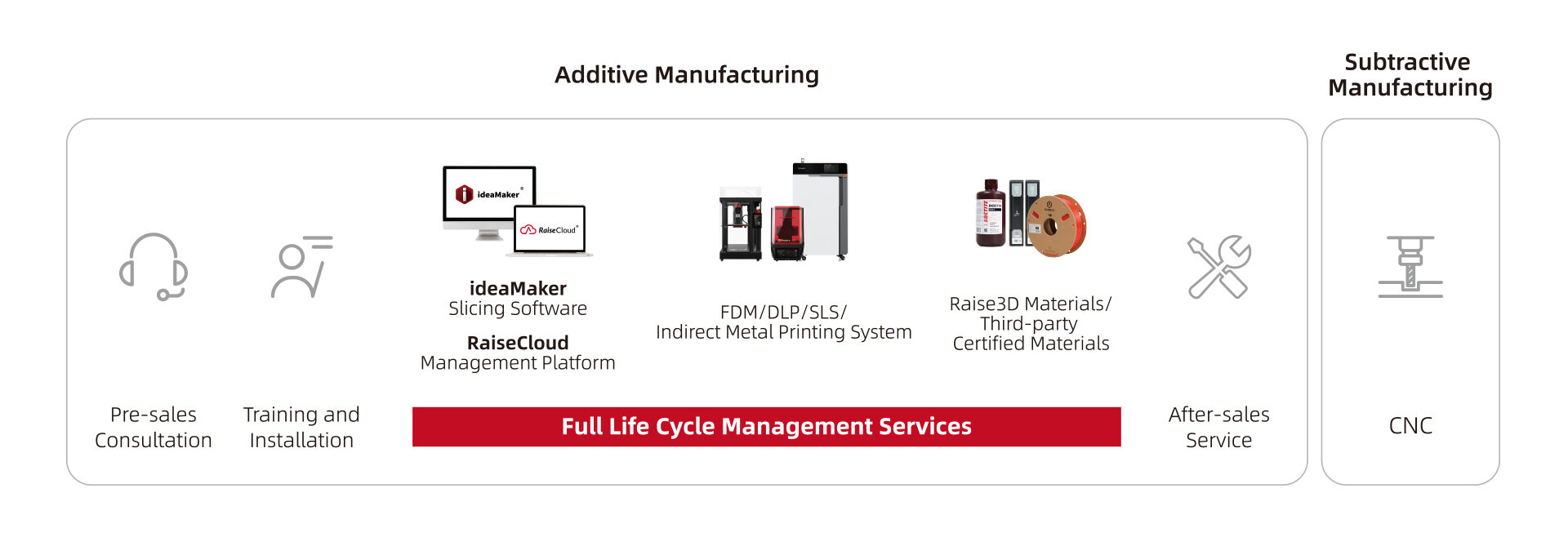
Together, these applications span design iteration, production tooling and logistics. As CATL expanded its use of 3D printing, managing printers and print jobs became an important part of the workflow.


 CATL Headquarter (source: https://nai500.com/)
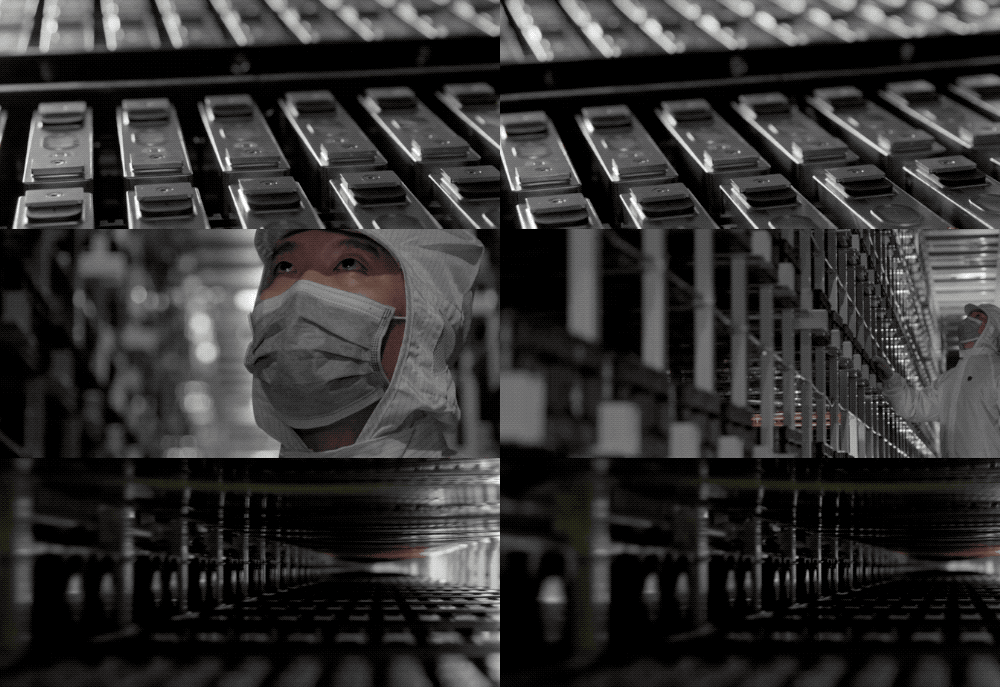 CATL production scene (source: https://www.catl.com/news/846.html)
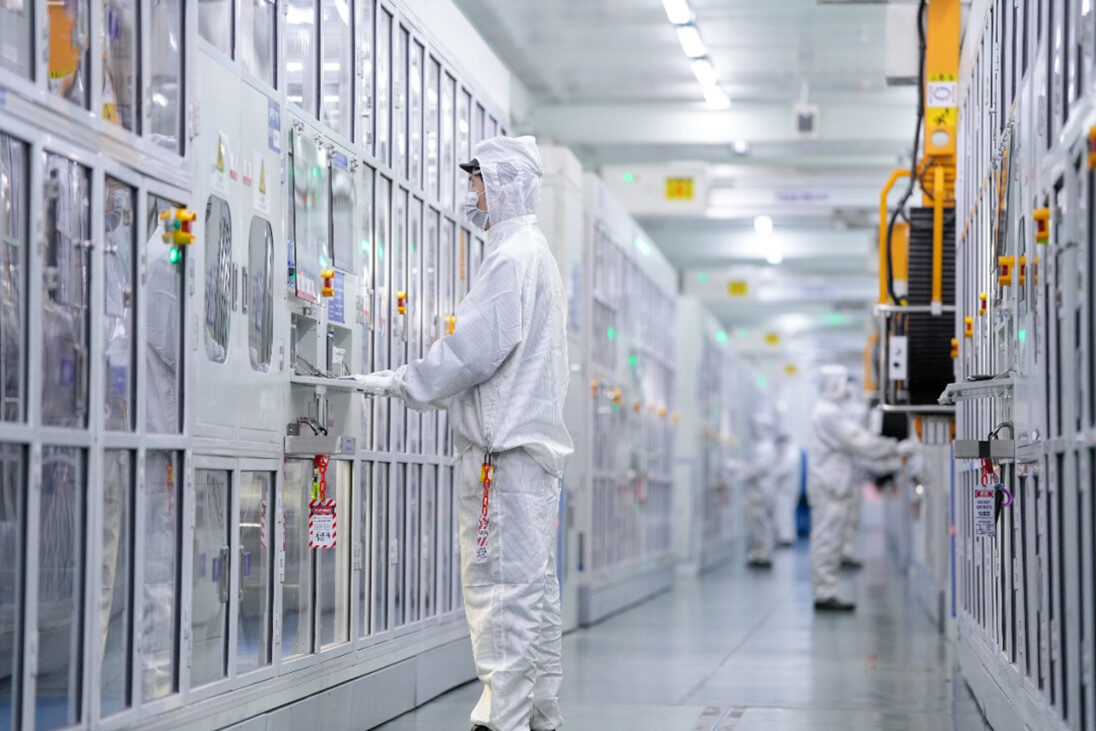 CATL production scene (source: https://www.catl.com/news/8247.html)
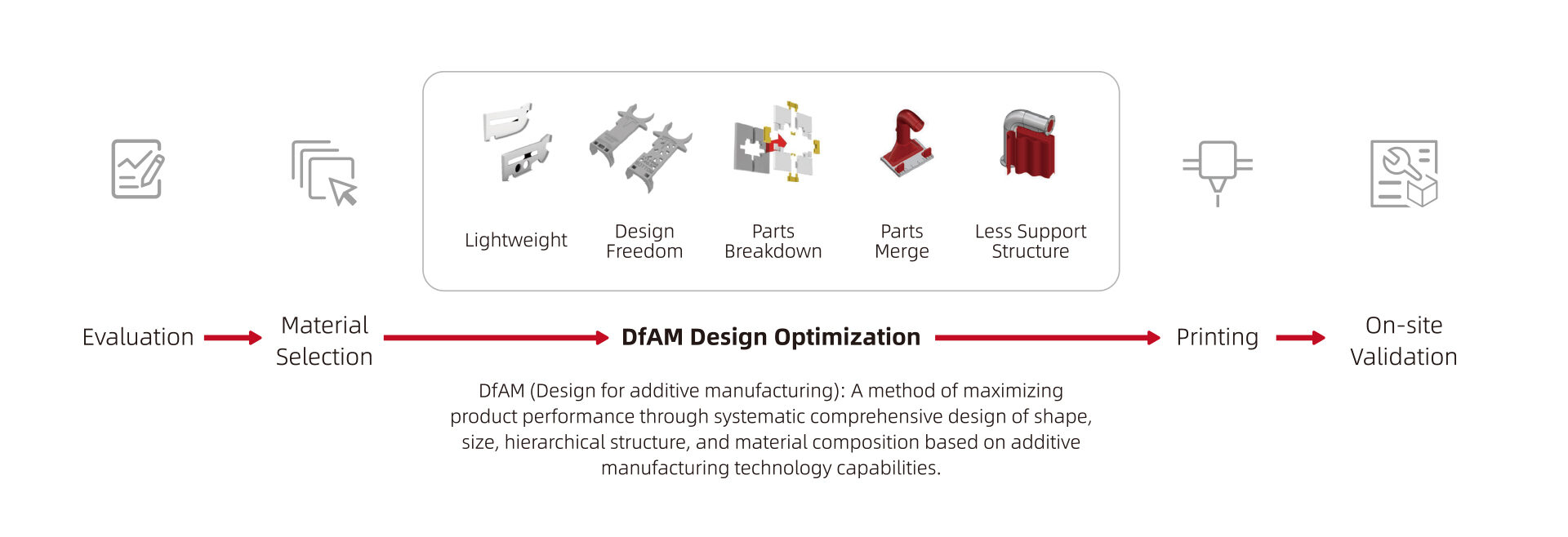
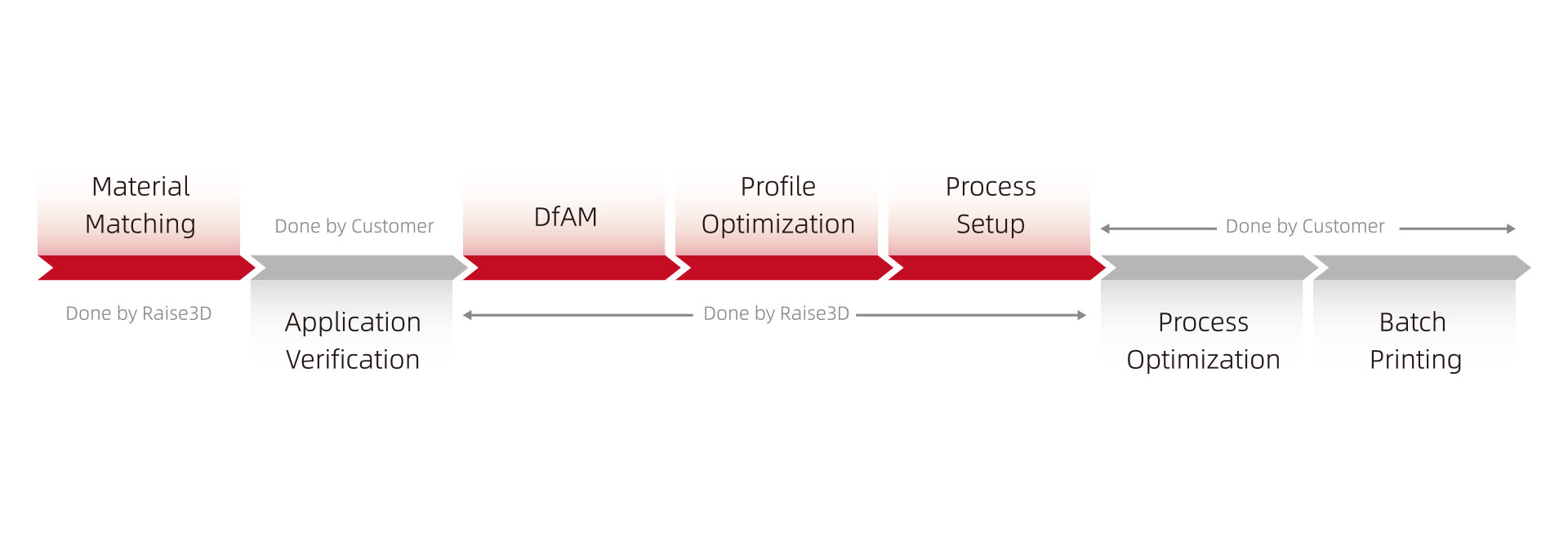 With DfAM, Raise3D evaluates whether a part is suitable for 3D printing and how its geometry or assembly can be simplified. The aim is to adapt the design to the process, rather than simply reproduce a conventionally manufactured part.

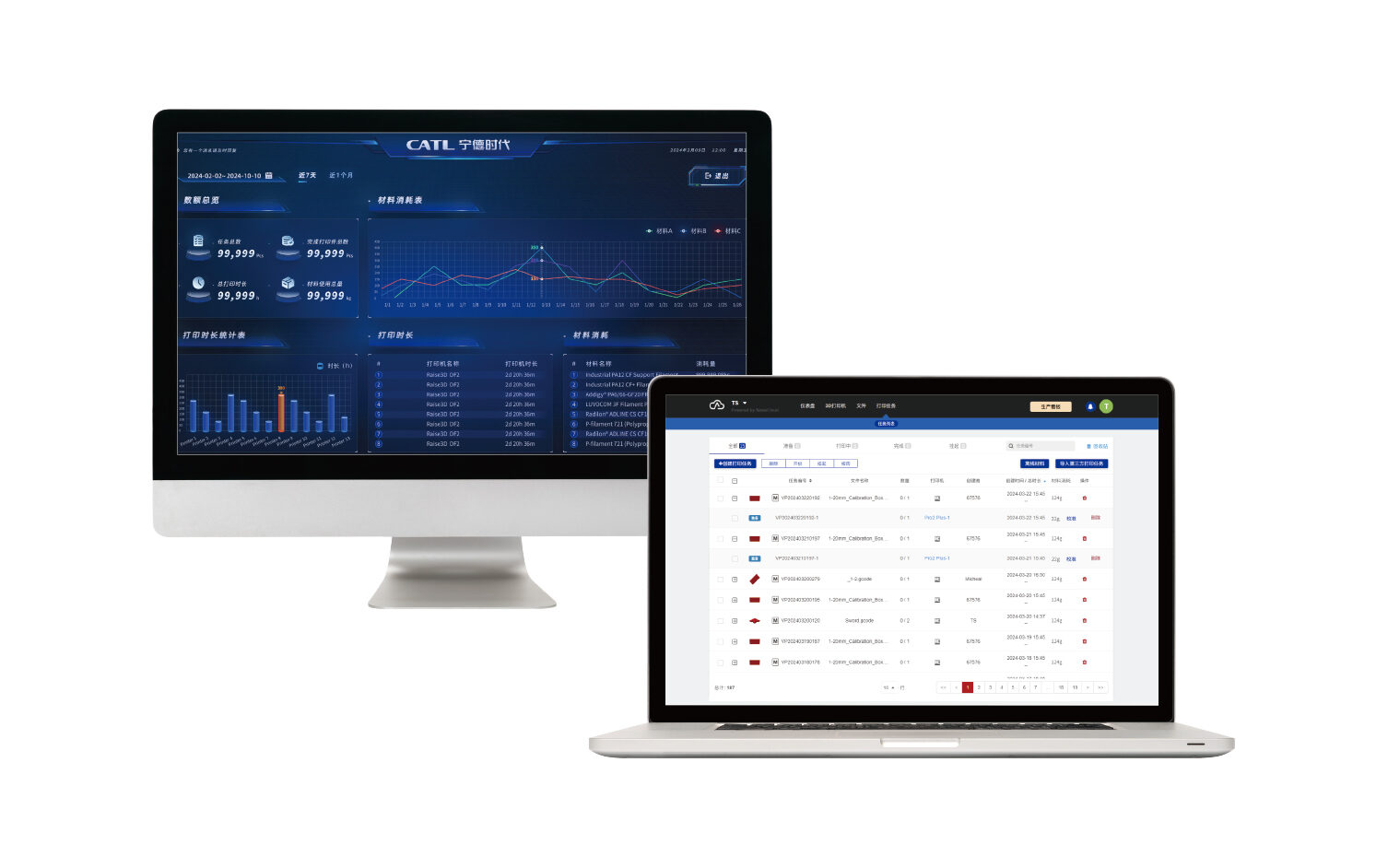 CATL’s customized RaiseCloud interface (for reference purpose only)


