How CATL Uses Raise3D 3D Printed Tooling Solutions to Shorten Part Production Cycles and Reduce the Weight of Transfer Pallets and Other Parts

Jul 30, 2025
Download PDF

100,000

Print Jobs in 2023

33.6 tons

Total annual consumption of consumables

98%

Total equipment utilization rate

About CATL


Founded in 2011, Contemporary Amperex Technology Co., Limited (CATL) is a world-leading new energy innovation technology company dedicated to providing first-class solutions and services for global new energy applications. As of 2024, CATL has achieved “No.1 worldwide in battery usage volume for eight consecutive years” and “No.1 globally in BESS battery shipment for four consecutive years”.

(Source: CATL official website)


> 100,000

China

New Energy

Jigs and Fixtures; Prototyping; Production

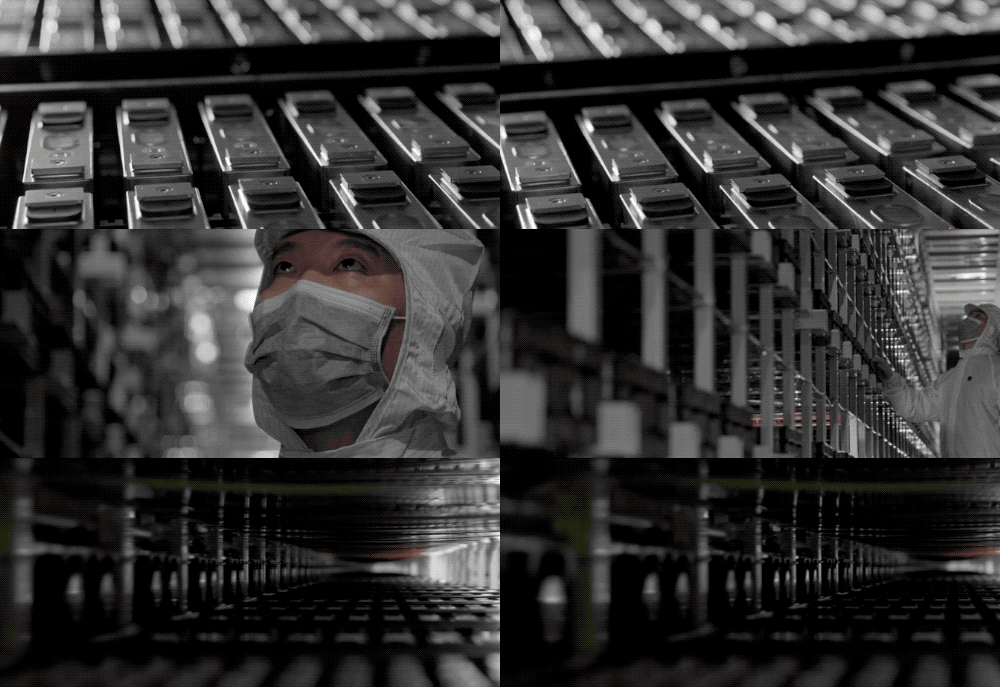
CATL logo above its headquarters building CATL Headquarter (source: https://nai500.com/)

The Challenge: Responding to Changing Tooling Needs

For CATL, product development and production require a wide range of tools, fixtures and prototype models. These parts must keep pace with changes to battery designs and production lines.

A battery cell model helps engineers evaluate and refine a design. A production fixture must fit its operating environment and meet the requirements of the task. When either changes, conventional manufacturing can add another round of production and waiting time.

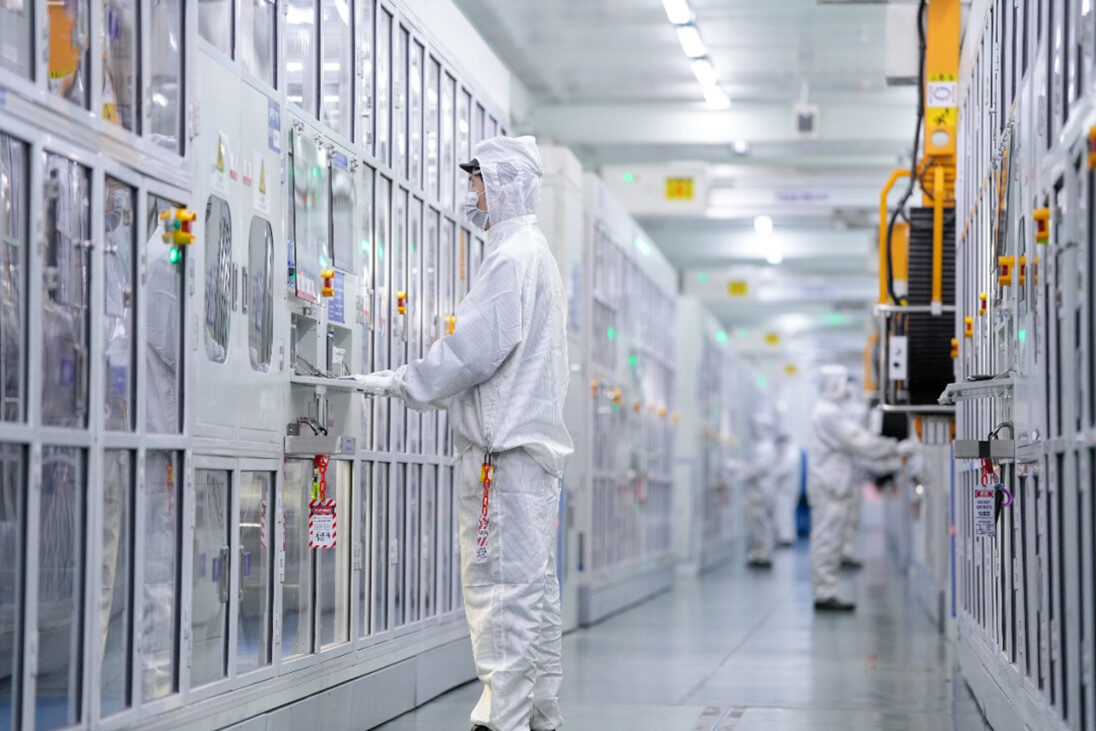
Production line at a CATL facility CATL production scene (source: https://www.catl.com/news/846.html)

CATL faced three constraints:

  • Long delivery times: CNC-produced parts could take two to four weeks to deliver.
  • Complex designs: Some geometries required customized tools.
  • Varied, low-volume demand: A wide range of low-volume parts was difficult to produce flexibly.

CATL needed a more flexible approach to shorten delivery times and respond to design and production line changes, while meeting each part’s quality and application requirements.

Worker in protective clothing operating equipment at a CATL production facility CATL production scene (source: https://www.catl.com/news/8247.html)

The Approach: 3D Printed Tooling for Battery Manufacturing

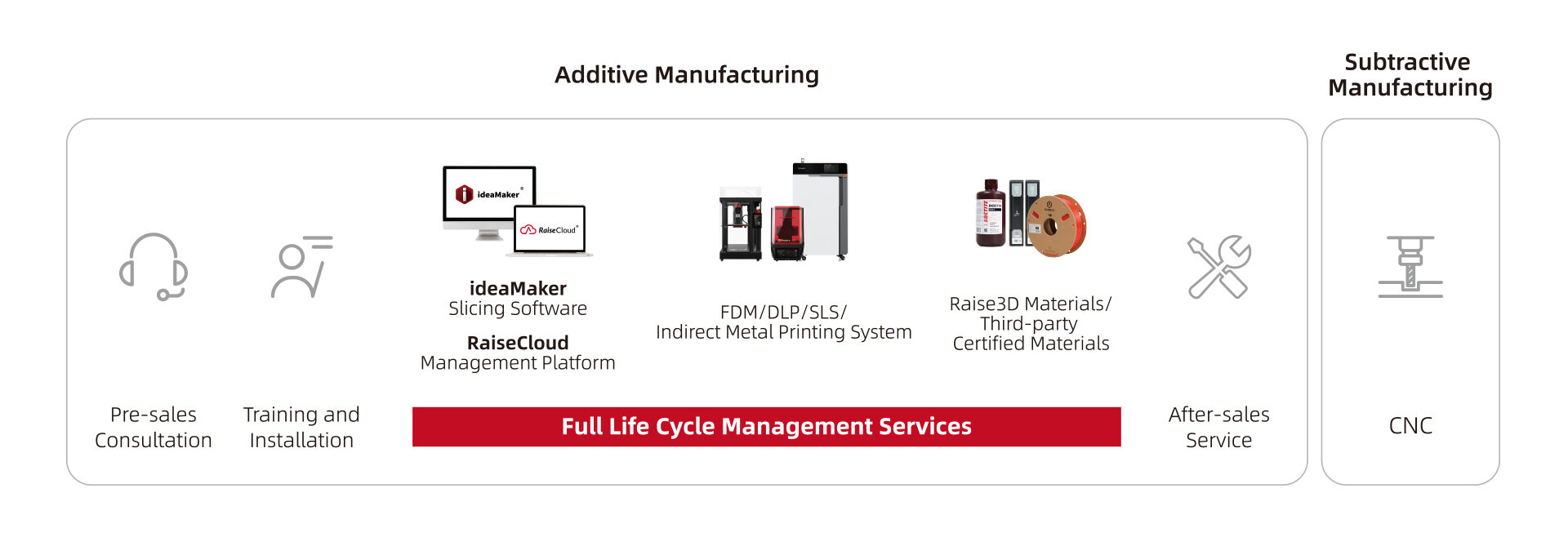
Raise3D developed a workflow for CATL’s tooling and prototyping needs, combining additive and subtractive manufacturing where appropriate.
Raise3D additive and subtractive manufacturing solutions, including software, printers, materials, services and CNC machining

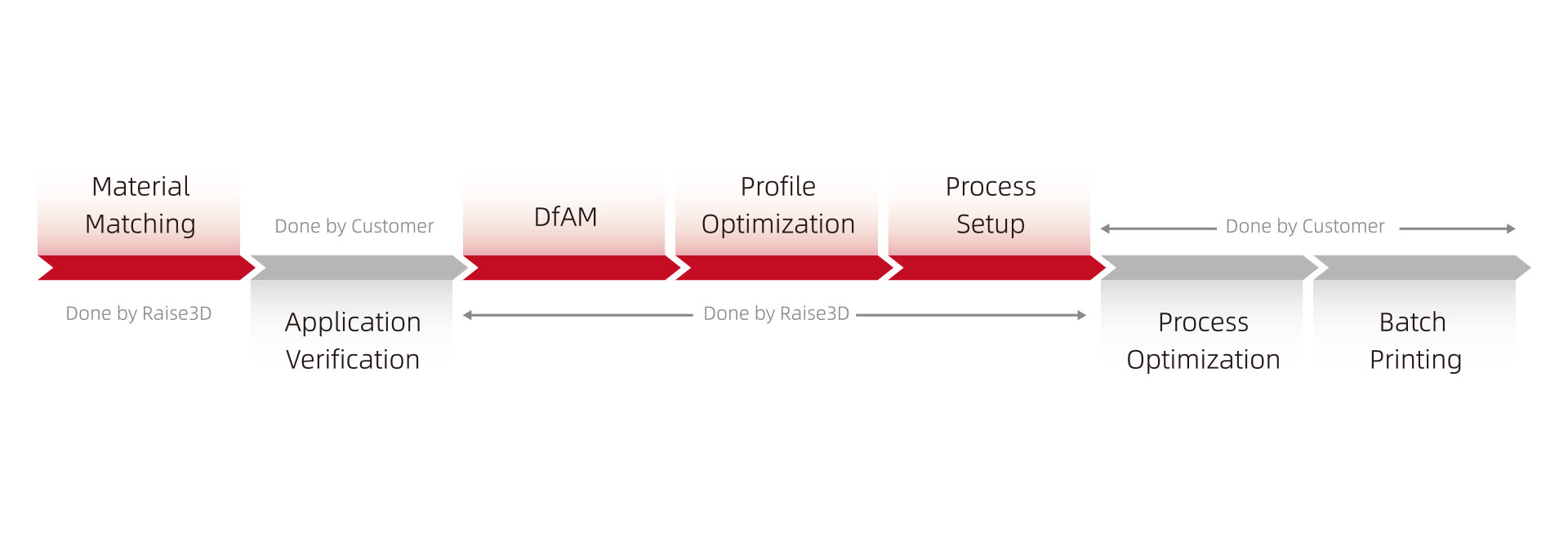
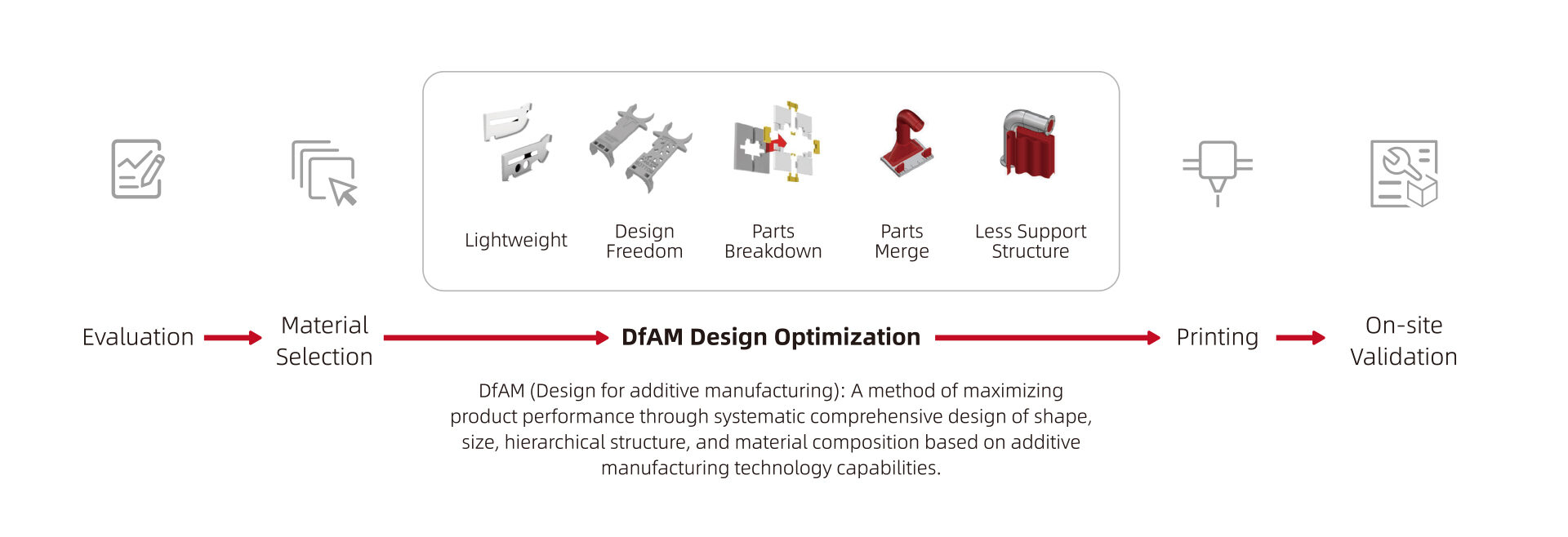
The approach connects material matching, application verification, Design for Additive Manufacturing (DfAM), print profile optimization, process setup and optimization, and batch printing. Raise3D also provides design and template support.

Workflow from material matching and application verification to design optimization, process setup and batch printingWith DfAM, Raise3D evaluates whether a part is suitable for 3D printing and how its geometry or assembly can be simplified. The aim is to adapt the design to the process, rather than simply reproduce a conventionally manufactured part.DfAM workflow from evaluation and material selection to design optimization, printing and on-site validation

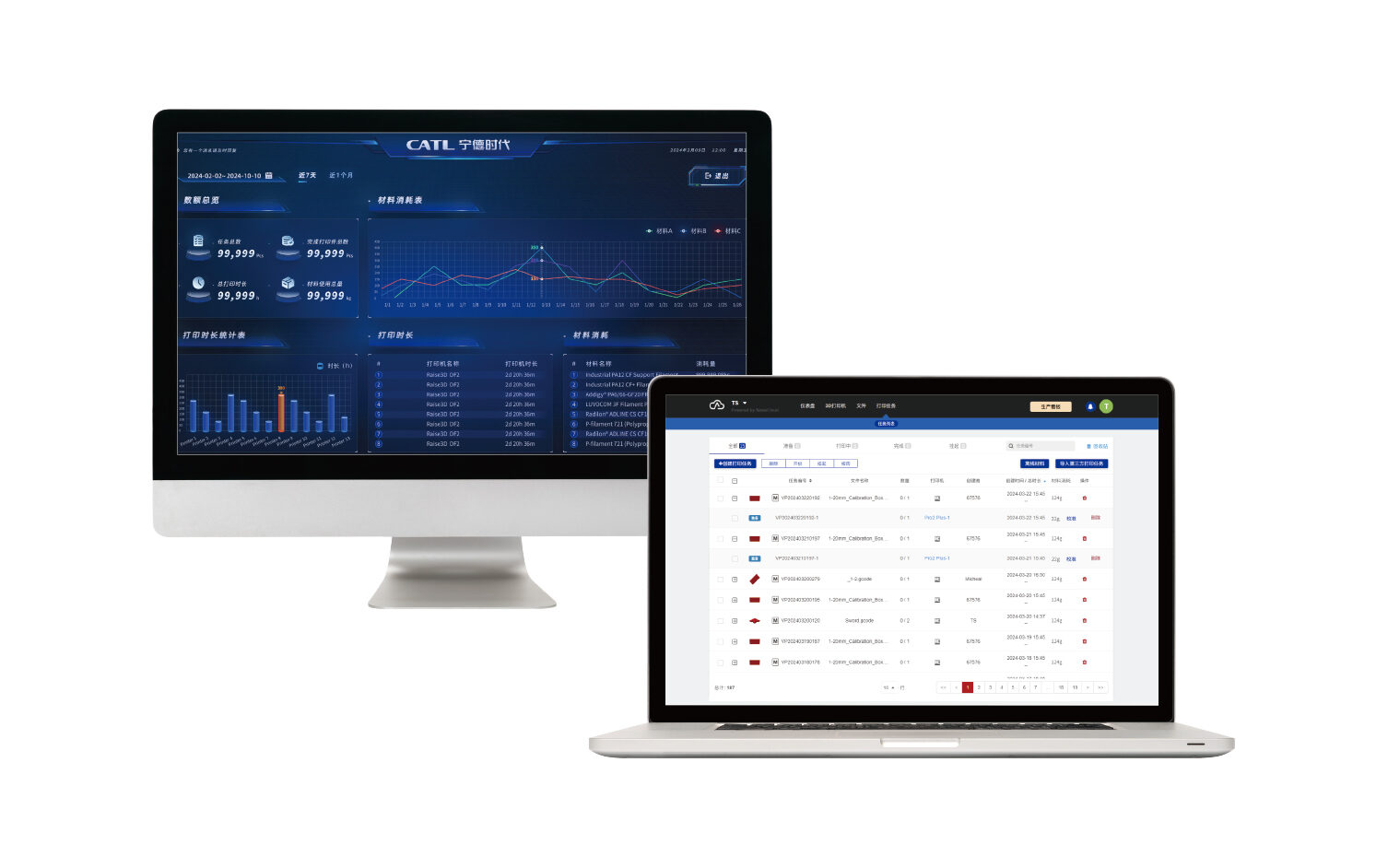
CATL has deployed hundreds of devices using FFF, DLP and SLS technologies and uses Raise3D and Open Material Program materials. RaiseCloud supports print task management and printer monitoring across locations.

For suitable parts, this workflow enables Raise3D to produce customized manufacturing aids and support design iteration. Process selection depends on geometry, quantity, material, positioning, load, wear and dimensional requirements. Machining remains an option when it is better suited to the task.

Range of Raise3D 3D printers and manufacturing equipment

From Prototypes to 3D Printed Jigs and Fixtures: CATL Application Examples

CATL uses 3D printing across development and production, from models for design evaluation to parts used on the production line. The following five applications show how the approach addresses different needs.

Transfer Pallet: Shorter Production Cycles and Reduced Part Weight

Transfer pallets move items along CATL’s production logistics line. Conventionally manufactured pallets had long production cycles and were relatively heavy, affecting delivery and adding to the line’s operating load.

The team used 3D printing to shorten the production cycle and reduce pallet weight. The previous pallet took up to 40 days to produce and weighed up to 8 kg, compared with 10 days and 2 kg for the printed version.

Black 3D printed transfer pallet for a CATL production logistics application Transfer pallet

Metric Previous manufacturing method 3D printing method Change
Production cycle Up to 40 days 10 days 75% shorter
Weight per part Up to 8 kg 2 kg 75% lighter

The lighter design offers the potential to reduce the burden of handling and logistics line operation, demonstrating an application of lightweight production aids.

Battery Cell Model: Supporting Design Iteration

Battery cell models help engineers evaluate and revise designs before they are finalized. Unlike production fixtures, their main role is to support prototype development.

For this model, the traditional production cycle was up to 15 days, while the 3D printing time was 8 hours. Part weight and cost also differed:

Four white 3D printed battery cell models used for design evaluation Battery cell model

Metric Traditional manufacturing 3D printing application results
Time Production cycle of up to 15 days Printing time of 8 hours
Weight per part More than 500 g Approximately 150 g
Cost per part Up to US$27.80 As low as US$11.10

Flat Sheets: Addressing a Variety of Part Designs

A single piece of production equipment uses 10 to 20 kinds of flat sheets, including parts with complex structures. Conventional processing could require customized tools and was subject to material constraints. In this application, metal flat sheets could not directly contact the electrode sheet, while plastic flat sheets were prone to deformation.

3D printing allowed selected shapes to be made in one piece. Printing time varied with the part, from 20 minutes for the smallest flat sheets to 2 hours for medium-sized flat sheets.

Three black 3D printed flat sheet parts with different shapes Flat sheet parts

With 3D printing, selected shapes could be made in one piece. Printing times and costs for different flat sheets are shown below:

Metric Part 3D printing application results
Printing time Medium-sized flat sheets 2 hours
Printing time Smallest flat sheets 20 minutes
Printing cost Some flat sheets with special structures As low as US$5.70

Bushing Tooling: From Separate Blocks to a Printed Form

A bushing tool required positioning surfaces on both its inside and outside. The conventional approach involved manufacturing separate blocks and assembling them, adding work to installation and adjustment.

With 3D printing, the cavity was produced as a single part, simplifying the structure compared with the separate-block approach.

Black 3D printed bushing tooling with an integrated cavity Bushing tooling

Metric 3D printing application results
Part structure Changed from separately manufactured and assembled blocks to a cavity printed as a single part
Production cycle 50% shorter
Weight per part 1 kg; 70% lighter

Buffer Barrier Assembly: A Separate Production Aid

For a buffer barrier assembly, the conventional production cycle was 40 days. Using 3D printing brought it to 10 days, with a reported 40% reduction in part weight.

3D printed buffer barrier assembly with white and black sections Buffer barrier assembly

Metric 3D printing application results
Production cycle Reduced from 40 days to 10 days
Weight per part 40% lighter

Together, these applications span design iteration, production tooling and logistics. As CATL expanded its use of 3D printing, managing printers and print jobs became an important part of the workflow.

Managing a Larger 3D Printing Operation

From a Single Printer to 3D Printing at Scale

As the number of devices and applications grew, the team needed to coordinate equipment and print jobs centrally. Developed by Raise3D, the RaiseCloud private cloud workstation uses multi-task management, team printer management and remote monitoring to enable intelligent scheduling and remote monitoring of CATL’s equipment across locations, creating an end-to-end digital, flexible manufacturing system that connects equipment and management.

As a web-based 3D printing cloud platform, the RaiseCloud private cloud workstation combines reliable data security, a flexible, personalized interface and remote management capabilities. In CATL’s production operations, it helps reduce the number of equipment operators needed and free up printing capacity, improving overall efficiency. CATL’s customized RaiseCloud interface (for reference purpose only)

The Customer’s Perspective

In the original case, a CATL technical person in charge described the value of the workflow this way:

“3D printing technology, with its revolutionary manufacturing concept, has opened up unlimited possibilities for design innovation and production transformation. Raise3D’s complete 3D printing solution has not only greatly improved CATL’s innovation efficiency and shortened its product iteration cycle, but also significantly released CATL’s production capacity potential through digital and intelligent production methods, demonstrating its irreplaceable strategic value in emergency delivery and flexible production.”

— Technical person in charge, CATL

What Manufacturers Can Learn from the CATL Case

Begin with the part and the problem it needs to solve. Define the current process, required quantity, material, loads, critical dimensions and acceptance criteria. Then compare the existing route with a suitable 3D printing workflow, covering preparation, printing, post-processing, inspection and delivery.

Results will vary by factory, part and material. Testing representative parts helps determine whether the workflow meets the intended application’s requirements.

Frequently Asked Questions

What is 3D printed tooling in battery manufacturing?

It means tools and production aids made with 3D printing for suitable tasks in battery production. CATL’s tooling and transfer pallet are examples. Suitability depends on material, dimensions, loads and acceptance requirements.

What did CATL use 3D printing for?

CATL uses 3D printing for battery cell models, flat sheets, transfer pallets, bushing tooling and a buffer barrier assembly, covering both development and production needs.

What was the reported change for the transfer pallet?

The pallet’s production cycle changed from up to 40 days to 10 days, and its weight changed from up to 8 kg to 2 kg. For another application, compare equivalent processes, loads and acceptance requirements before setting a target.

How should a Raise3D printer be selected for each part?

Printer selection should follow the part’s requirements. Work with Raise3D to define the material, geometry, dimensions, quantity and intended use, then evaluate an appropriate printer and process.

Can 3D printed fixtures replace every machined fixture?

No. The choice depends on geometry, loads, material, operating environment, accuracy, repeatability and validation requirements. Machining or another process may be more suitable for some parts.

Get a Demo

Get a live Demo on 3D Printers, ideaMaker, RaiseCloud, OFP and more.

Connect with Raise3D

Do you have a great 3D printing success story and think it would be cool to be featured on our website? We would love to learn more! Write to us at inquiry@raise3d.com

For more information about Raise3D printers and services, browse our website, or schedule a demo with one of our 3D printing experts.

3D Printing Applications